1 · Warn first
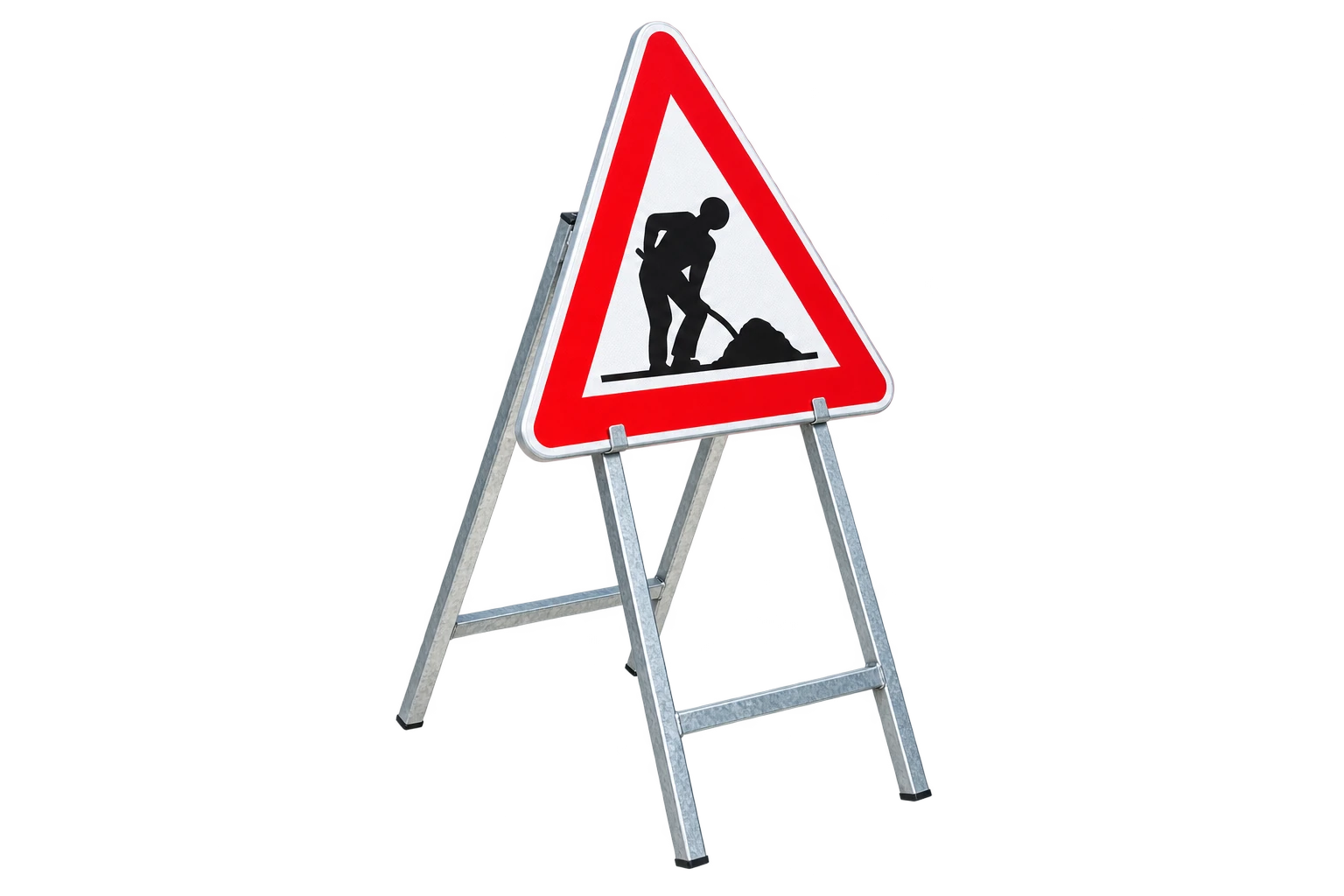
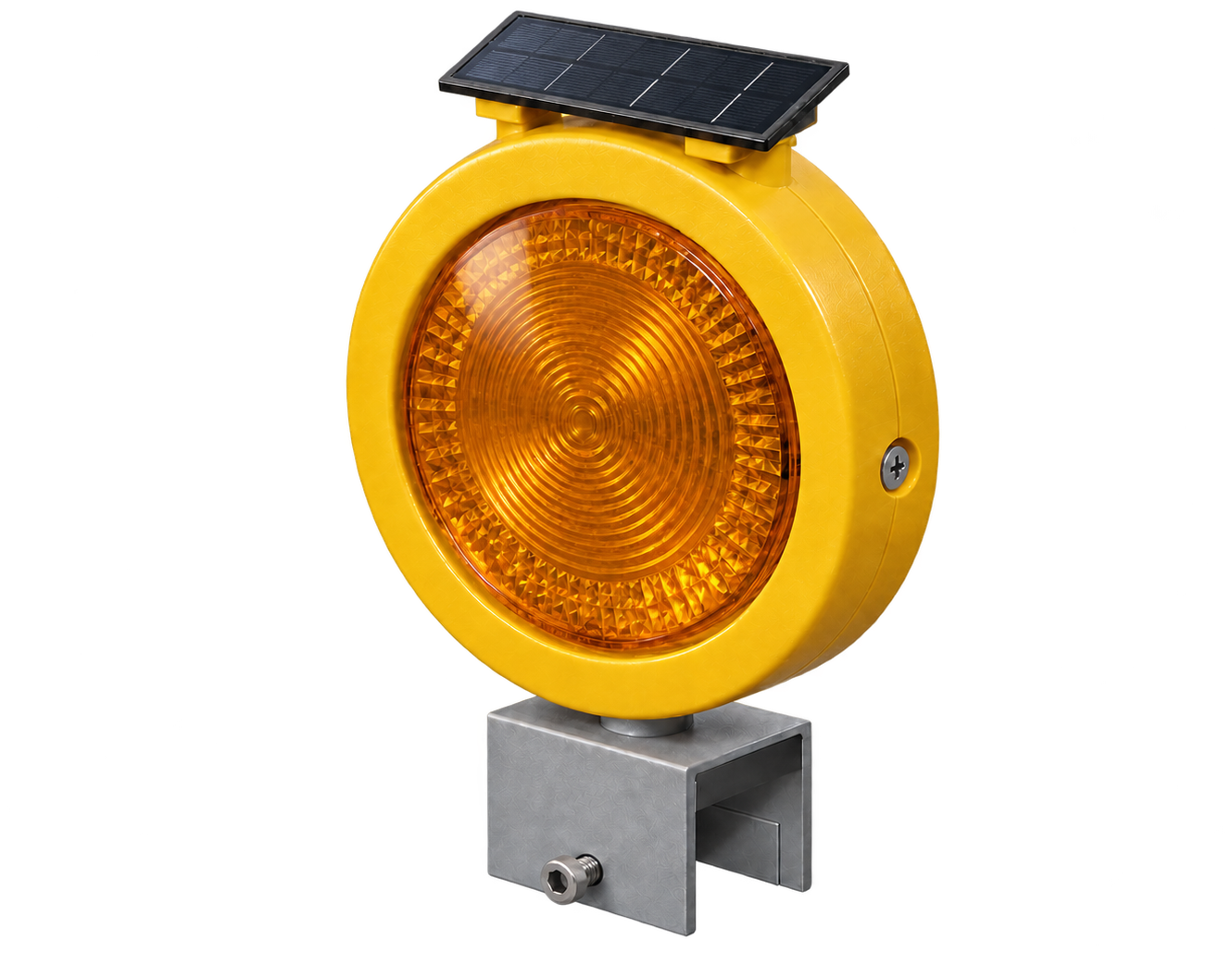
The driver must see the warning before the works. A sign ahead of the site, and a warning lamp for the night. Warning distance follows speed: on a 90 km/h road, 50 metres is not enough.
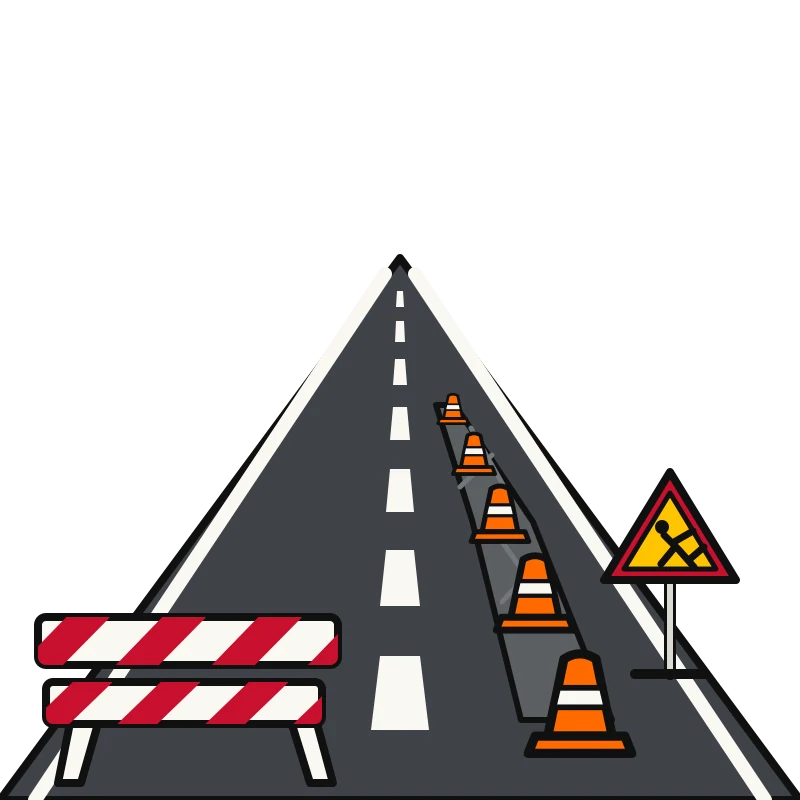
You need to close a lane, fence the excavation and warn the driver before the works. The order is: warn first, then guide, and fence last.
The driver must see the warning before the works. A sign ahead of the site, and a warning lamp for the night. Warning distance follows speed: on a 90 km/h road, 50 metres is not enough.
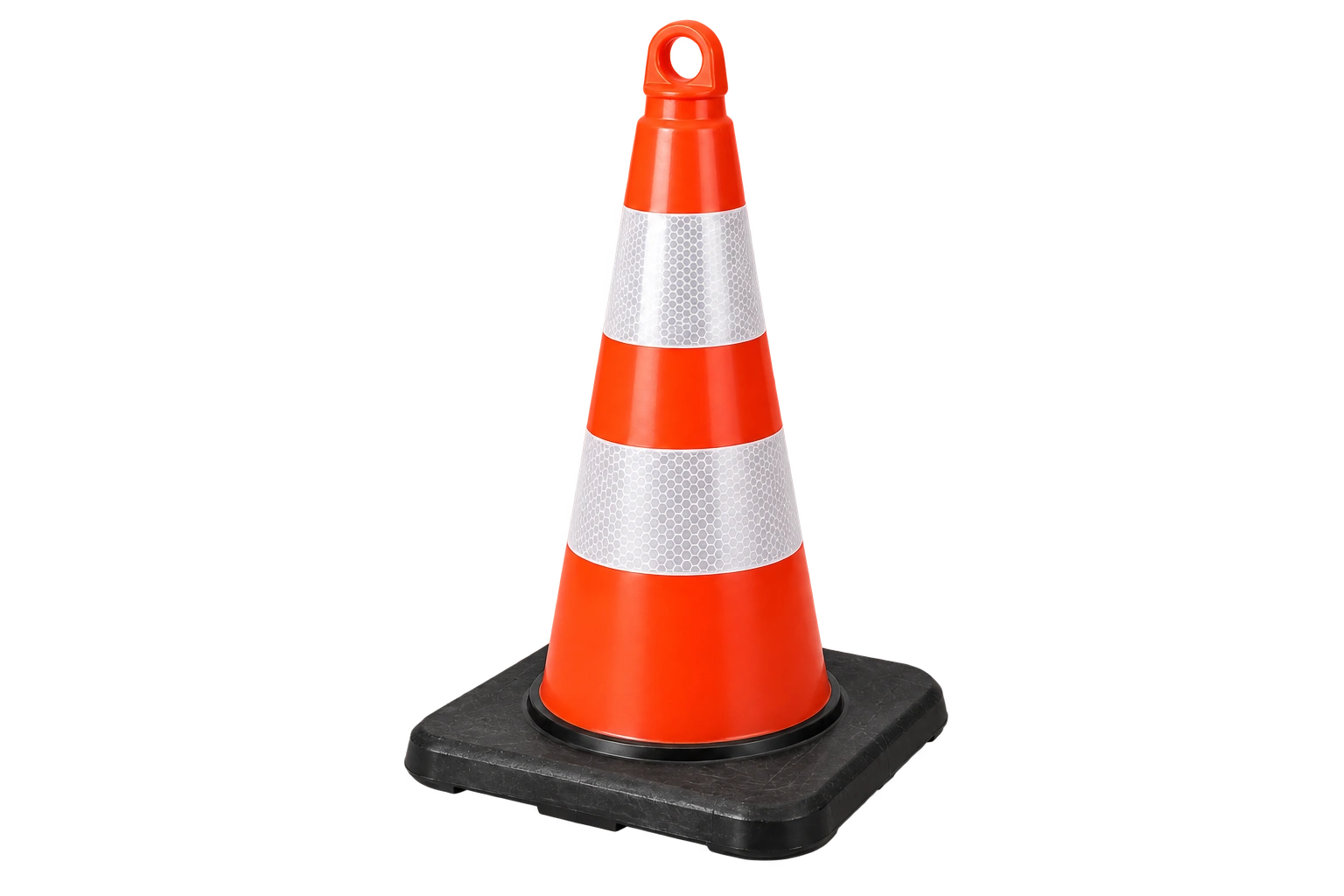
Traffic cones provide temporary guidance and mark the work area. The PVC cone group contains separate 75 and 90 cm nominal models.
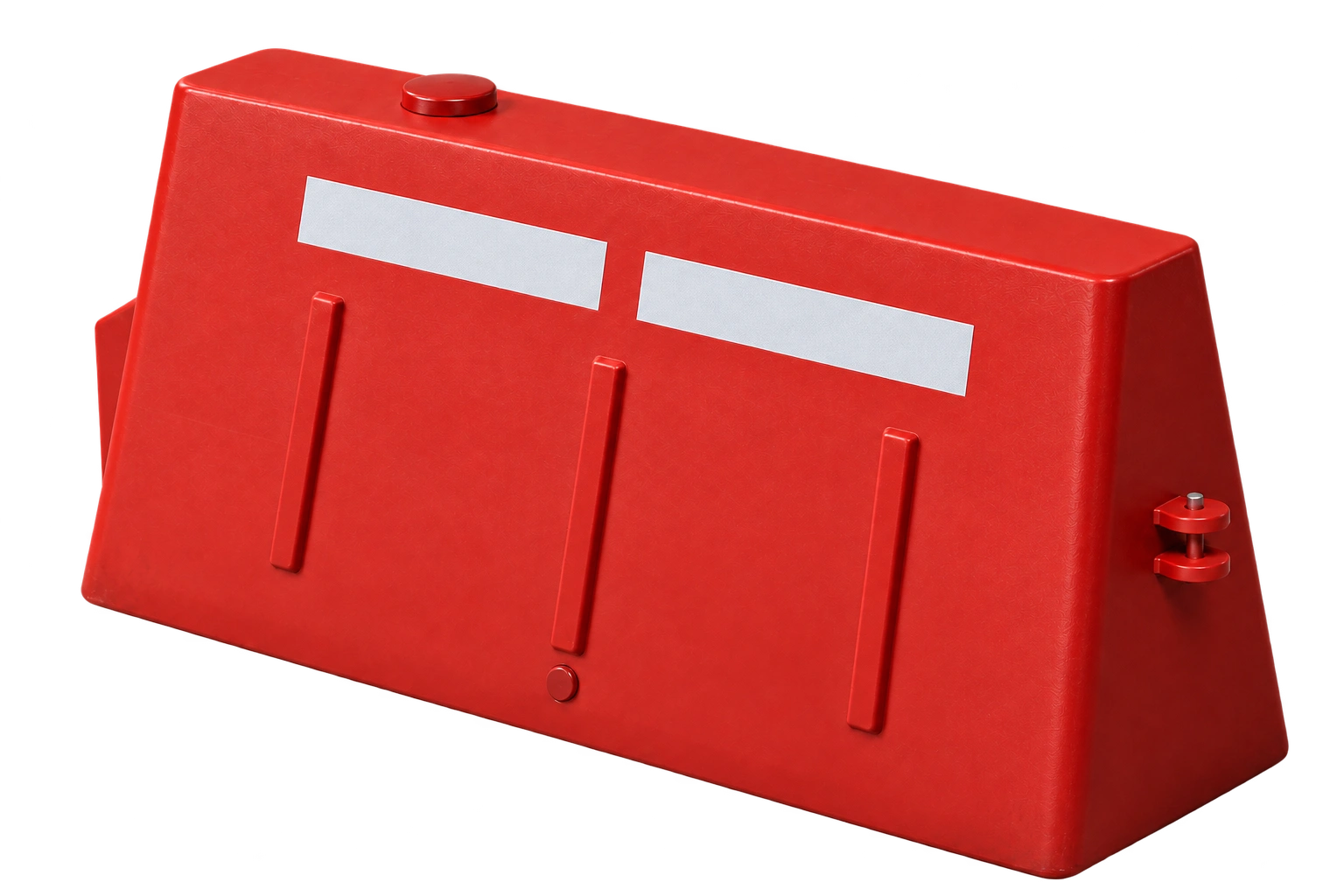
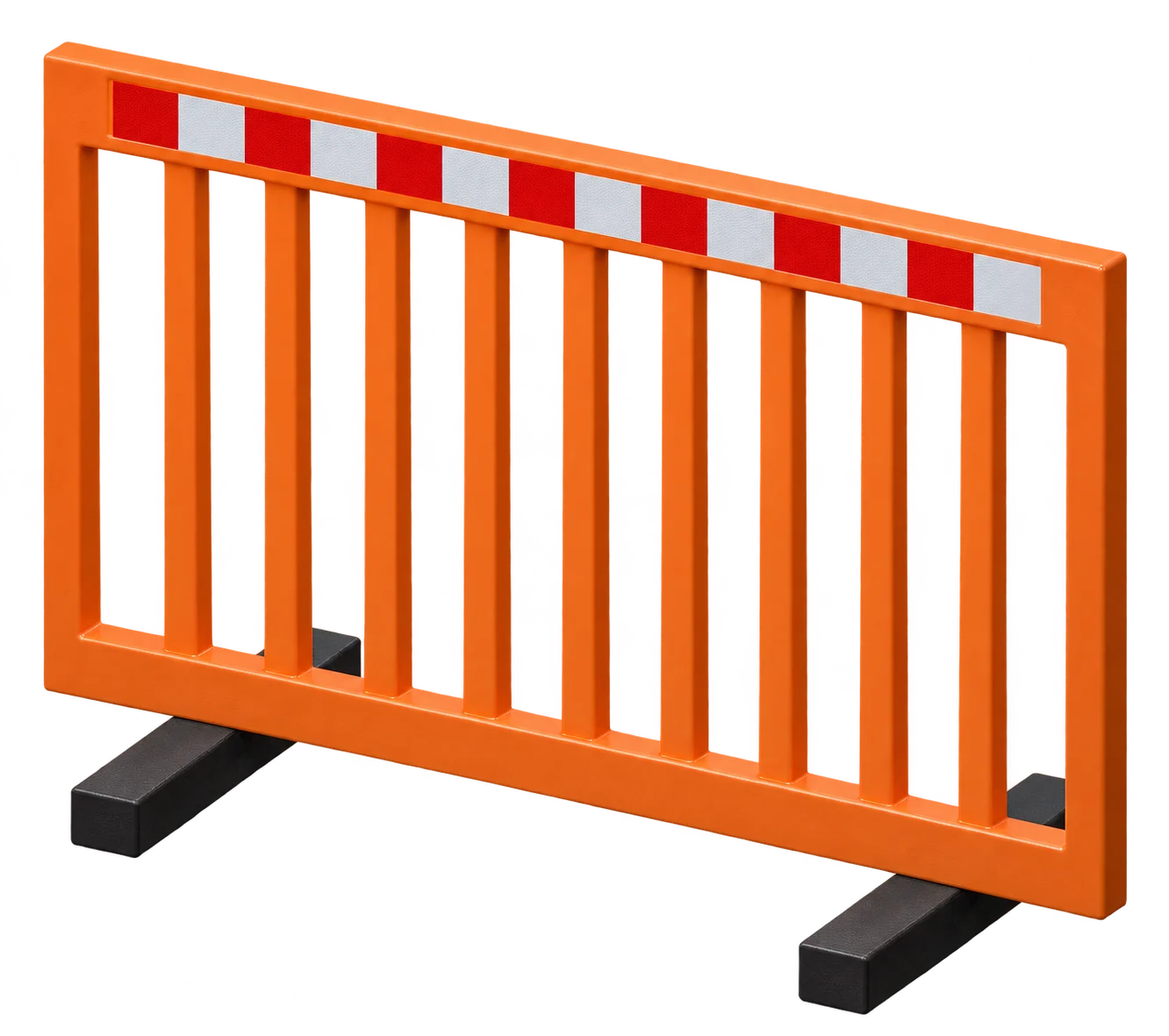
The excavation and plant area must be physically closed. Water-filled barriers ship empty and fill on site; barricades suffice for lighter work.
The most common mistake is choosing the right equipment and spacing it wrongly.
Cone spacing follows speed; spaced too far apart, the run reads as a line of obstacles rather than a lane, and drivers thread between them.
The second common mistake is placing the warning sign right beside the works. A driver needs distance to slow down, so the sign stands at a distance calculated from the speed limit.
The third is leaving the crew unprotected while setting out: the layout starts at the approach, not at the work area.
With these three, the price and loading plan come in the first reply; without them we have to ask first.
Quantity, destination country and your specification if you have one. A technical answer comes back the same day; pricing is prepared by a person, never auto-generated.