

Get a quote for this product
Quantity, destination country and your specification if you have one. A technical answer comes back the same day; pricing is prepared by a person, never auto-generated.
Request a QuoteTell us quantity, country and mounting type — a technical answer comes back the same day.
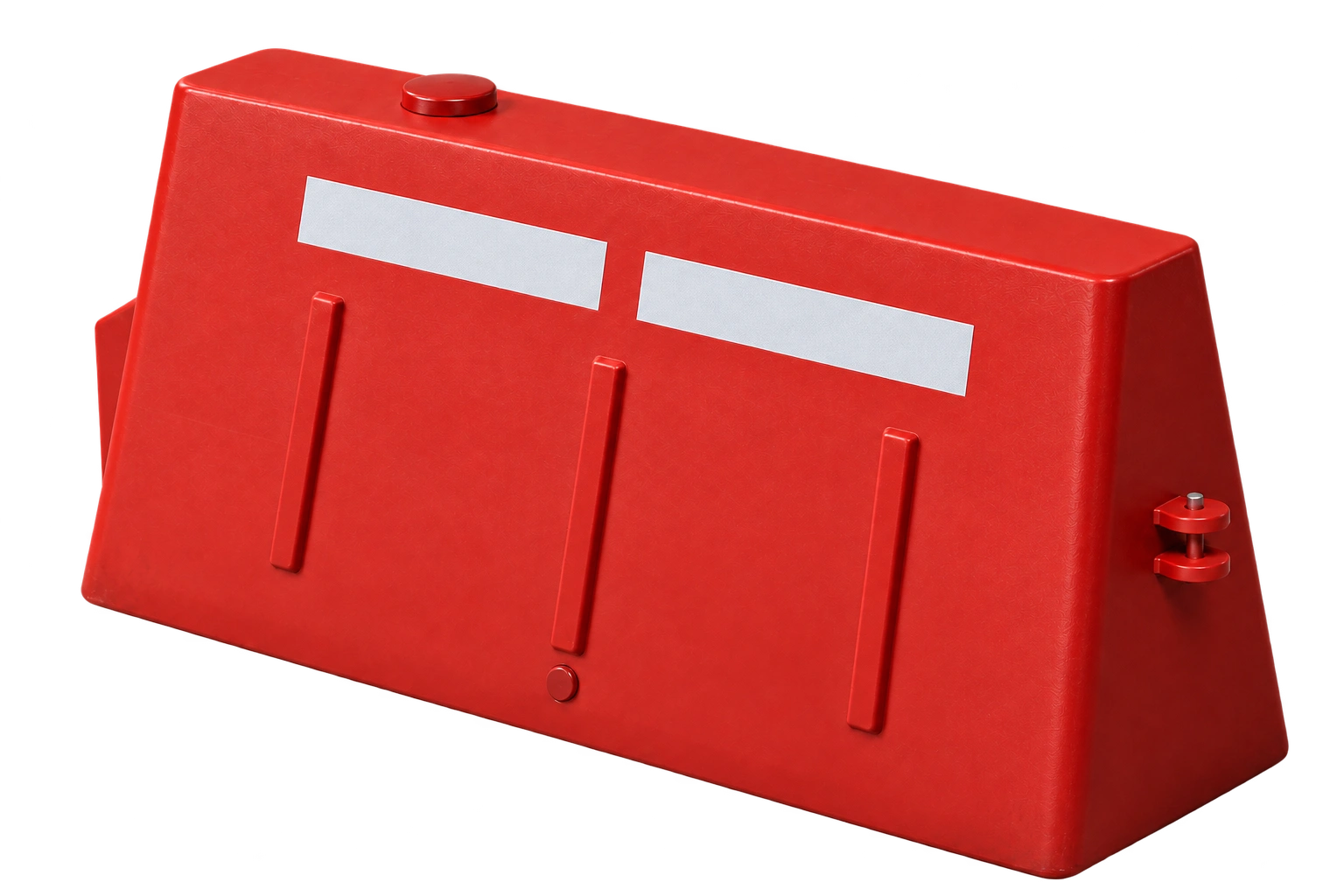
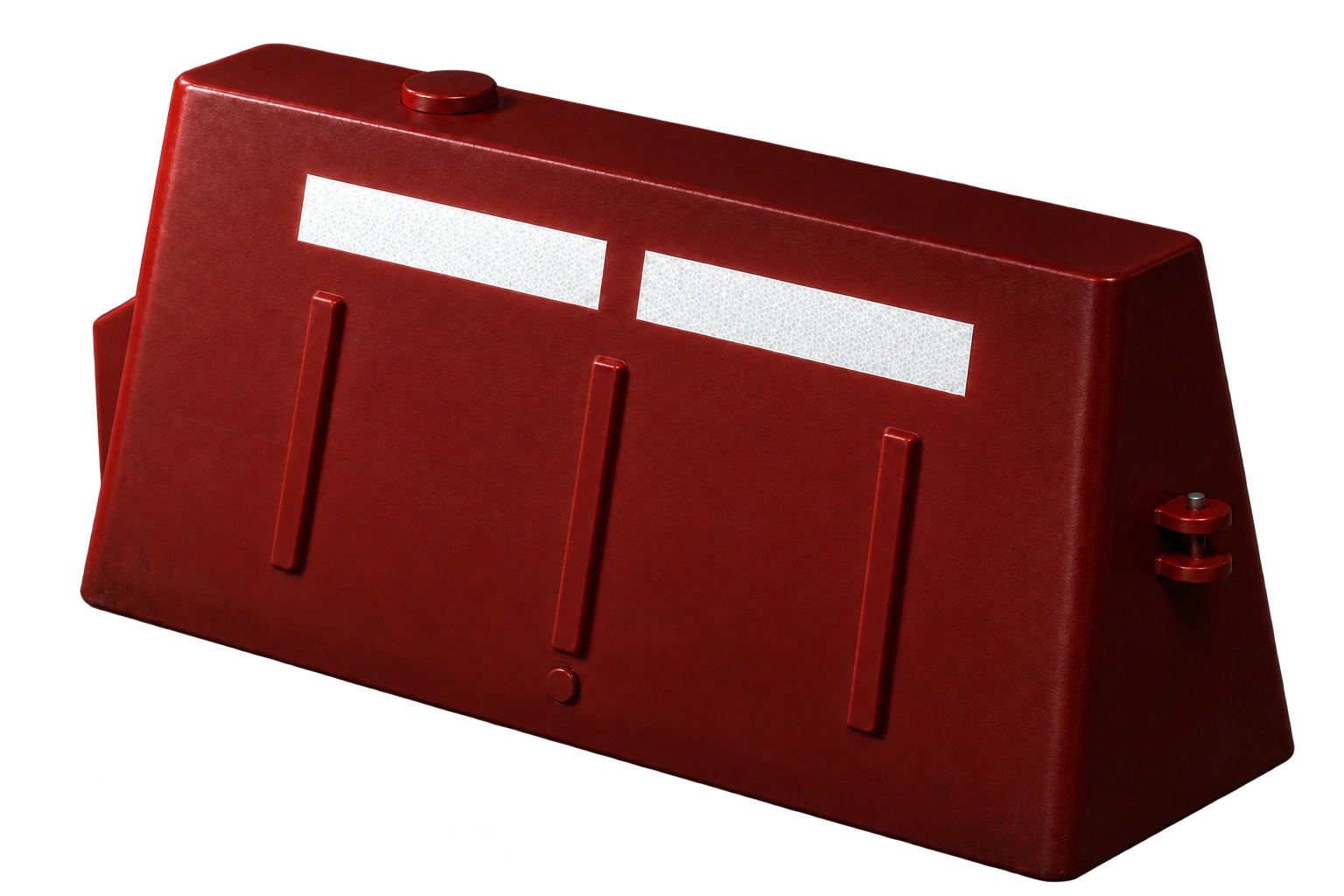
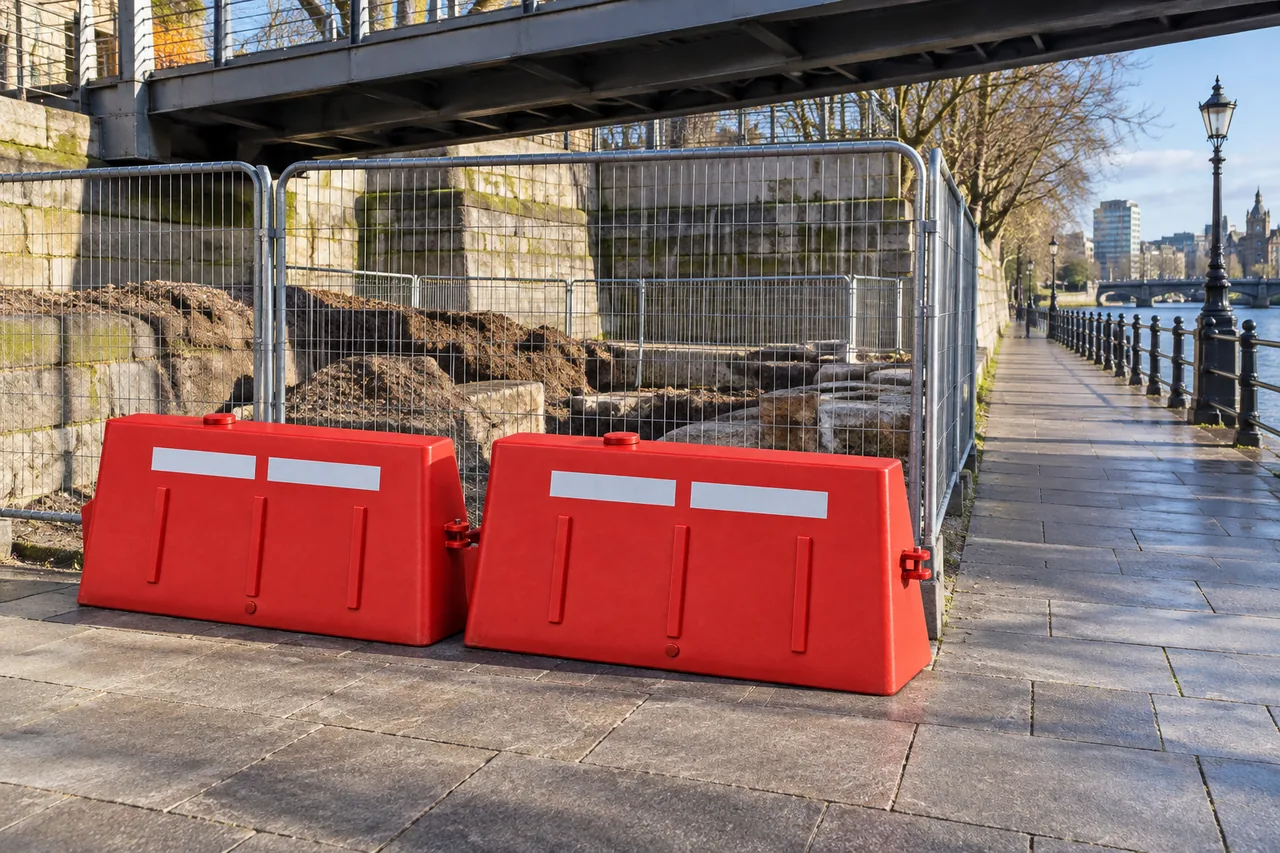
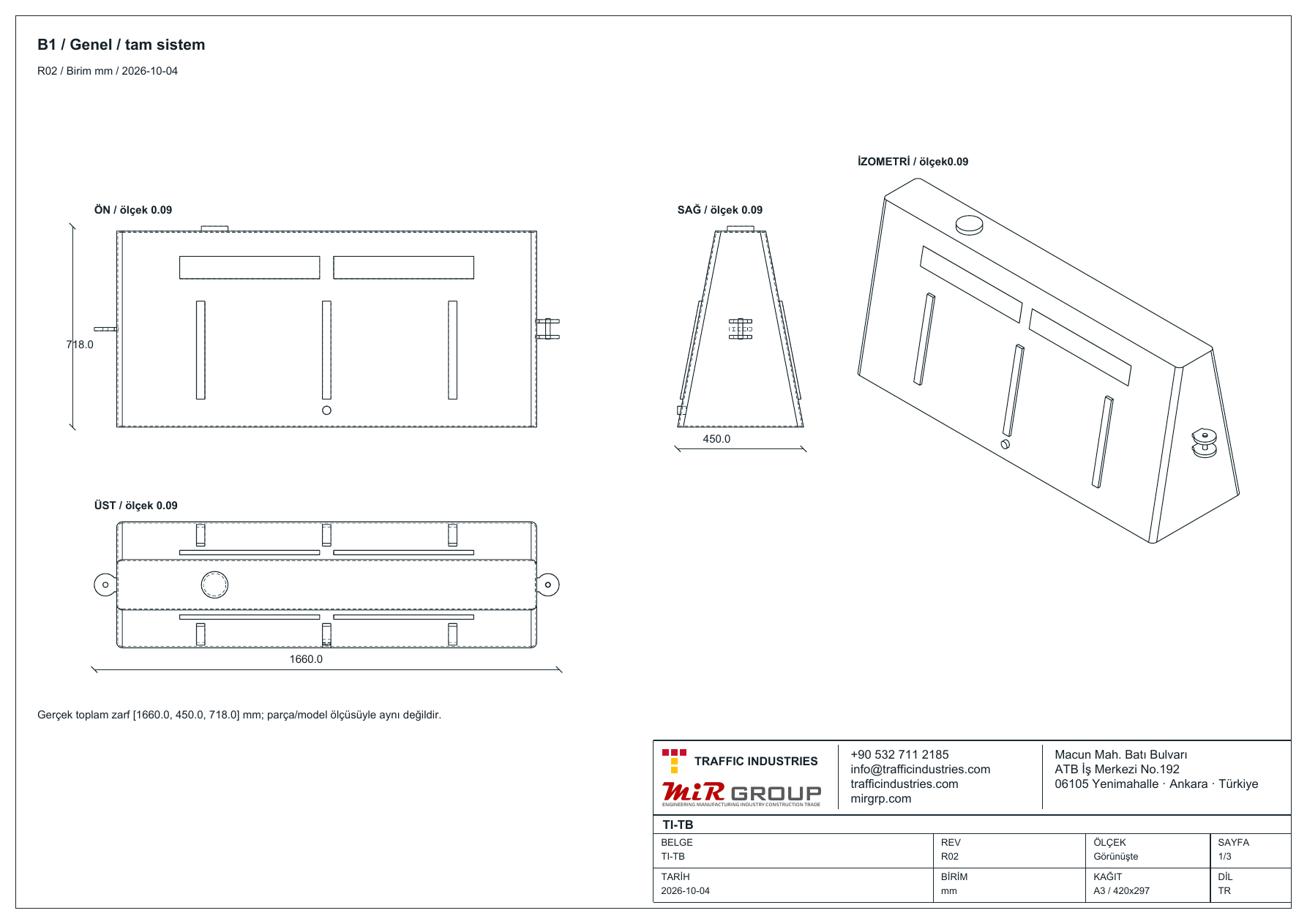
Digital application scenes illustrate how the product may be used; they are not records of completed customer projects.
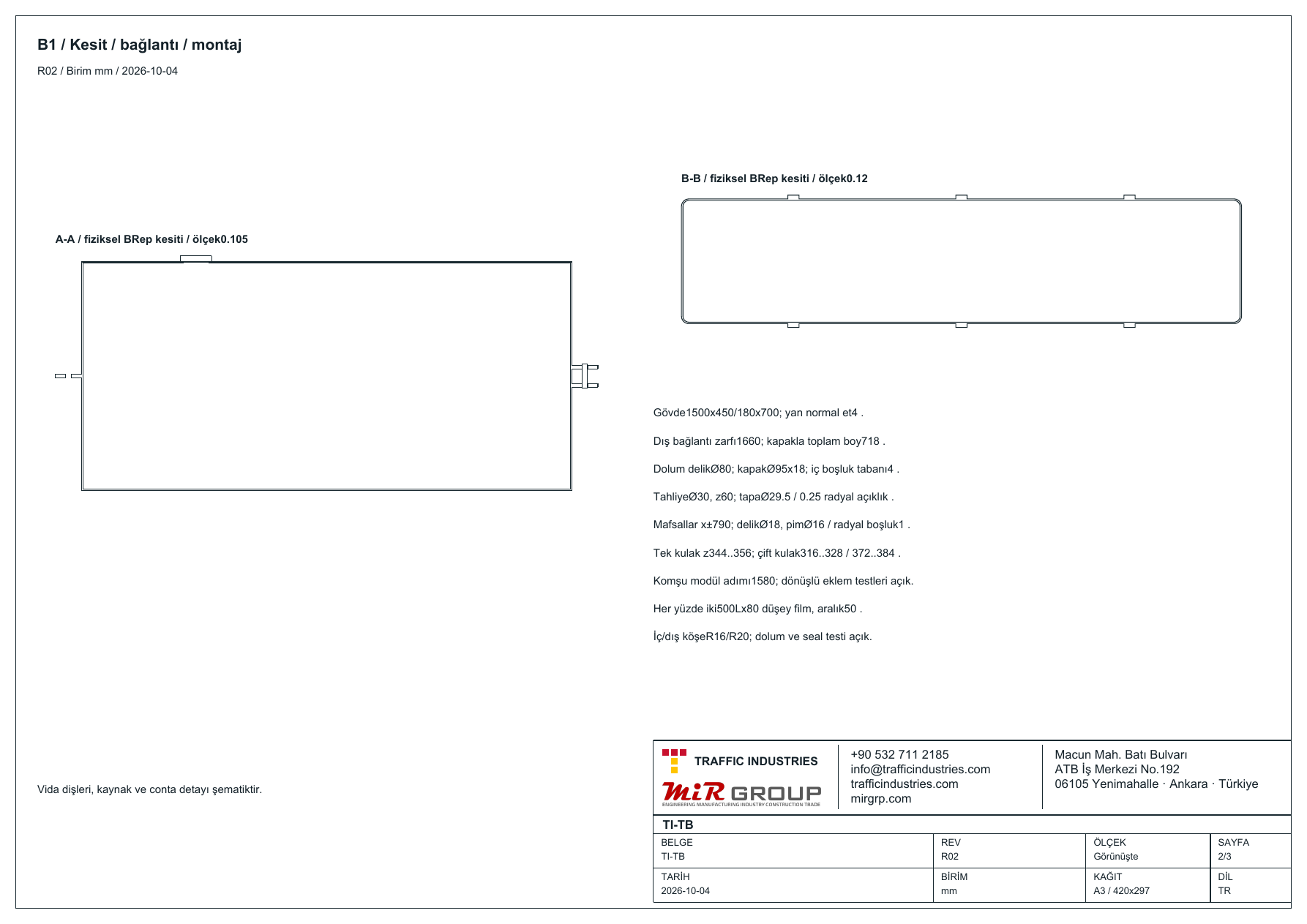
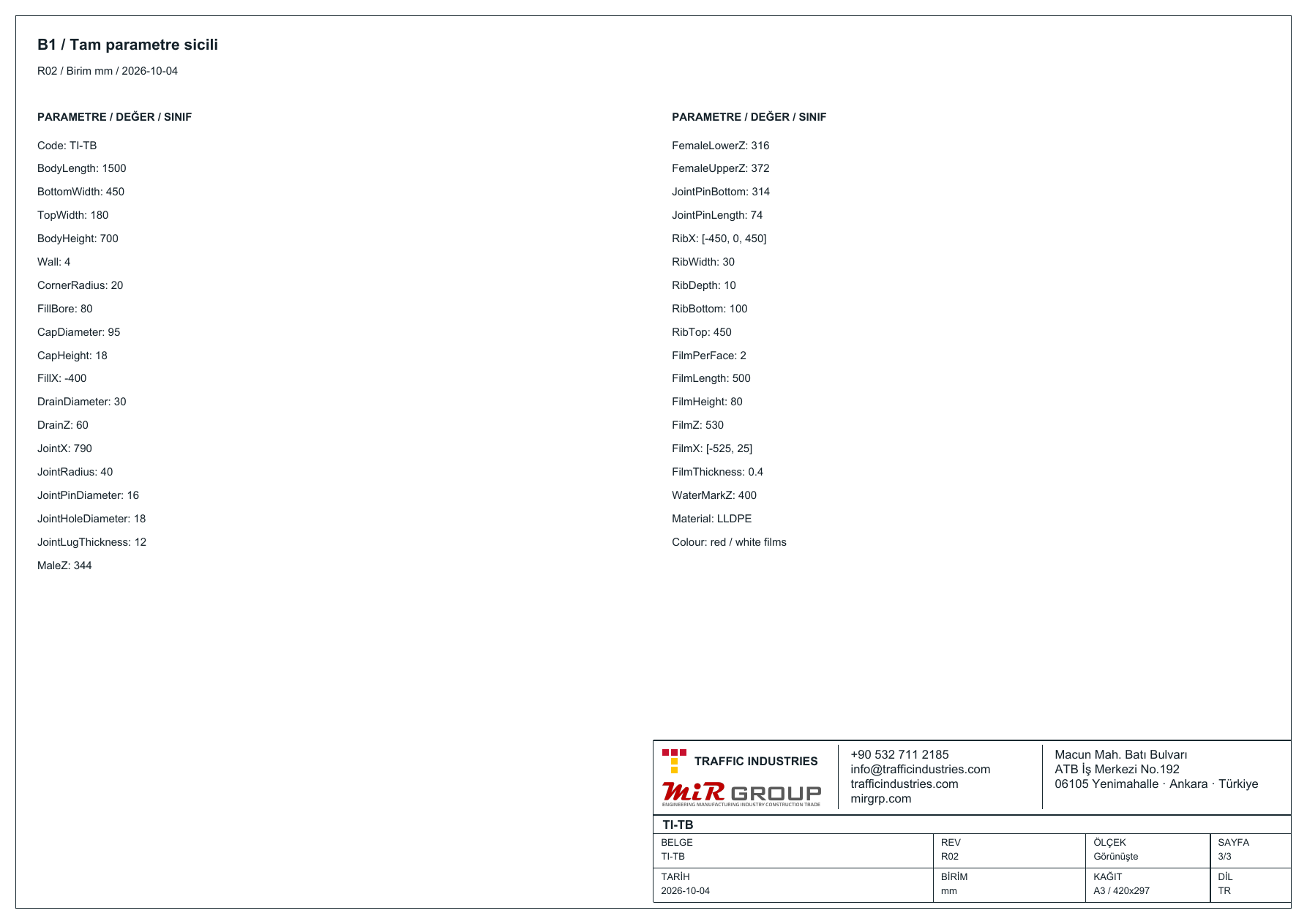
Traffic barriers mark the boundary of a work area or temporary route. Layouts for road works, site perimeters, events, car parks and facility entrances are selected for their intended use. Filling, end connections and any warning-lamp compatibility are verified against the selected model’s documents. Body dimensions, empty weight and site conditions are assessed together for transport and redeployment.
| Required function | Temporary guidance or demarcation, or a documented vehicle-restraint requirement. |
|---|---|
| Run and body dimensions | Run length, bends and acceptable body width and height. |
| Filling and draining | Filling type and quantity for the selected model, and site frost conditions. |
| End connection | Compatibility with existing units, connection parts and run-end requirements. |
| Reflective equipment | Sheeting requirement, visible face and compatible warning equipment where needed. |
| Site and country | Destination country, installation surface and wind or stability assessment. |
The files are free to download and require no registration.
EN 1317-2:2010 addresses impact tests and performance classes for vehicle restraint safety barriers. EN 1317-5:2007+A2:2012 excludes temporary barriers from its scope.
These references do not establish the test class or CE status of a water-filled guidance barrier.
If vehicle restraint is required, check the offered model, tested installation, test report and conformity documents required for the destination country together.
Manufactured to the order's specification in the Turkish market. In US language the water-filled traffic barrier is described by the longitudinal channelizing device definition of MUTCD Section 6K.10 (it may be hollow and water-ballasted). These devices are not protection barriers; they are not used to shield obstacles or protect pedestrians or workers. Where impact containment is required, EN 1317-classified systems are a separate conversation. Test results and certificates are shared with the report and the document.
Filling alone does not establish a crash class. Vehicle restraint requires system-matched test evidence and project assessment.
Choose filling from the barrier model’s instructions. State frost risk and draining needs; the same filling is not recommended for every body.
End geometry and connection parts depend on the model. Provide the existing model details and confirm compatibility against parts or drawings.
Specify visible faces, sheeting needs and warning lights required by the traffic plan; verify compatibility with the selected body.
Work zone & barricades — all modelsStandard cross-reference table40'HQ container calculationDescribe the job, we list the equipment
Quantity, destination country and your specification if you have one. A technical answer comes back the same day; pricing is prepared by a person, never auto-generated.