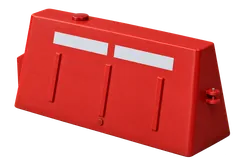

Get a quote for this product
Quantity, destination country and your specification if you have one. A technical answer comes back the same day; pricing is prepared by a person, never auto-generated.
Request a QuoteTell us quantity, country and mounting type — a technical answer comes back the same day.



Digital application scenes illustrate how the product may be used; they are not records of completed customer projects.
Traffic signs communicate warnings, restrictions and directions for a temporary layout. For road works, temporary diversions, event traffic and emergency response, select sign codes for the destination country and traffic plan. Where a folding stand is used, verify sign-and-stand compatibility, transport dimensions and setup methods together. Assess face visibility and support stability against the selected system’s documents.
Search by sign code or name; open details to enlarge and download the SVG.
No signs match this search.
| Country and authority | For quotation, specify the destination country and signing specification. |
|---|---|
| Sign code and size | For quotation, provide sign codes, face sizes and quantities. |
| Reflective sheeting | Specified sheeting class, colour and required documentation. |
| Substrate and stiffening | Specified material, thickness and rear or edge stiffening. |
| Support and supply | Compatibility with an existing post or supply including post and clamps. |
| Installation setting | Permanent or temporary use, ground and site data for support design. |
The files are free to download and require no registration.
EN 12899-1:2007 is a product standard reference for fixed vertical traffic signs.
Sheeting class and performance should be tied to the selected product’s technology and its test or technical assessment document; the standard name alone does not establish an RA class or conformity.
For microprismatic sheeting, check the product and version scope of any ETA separately.
State the supply scope, destination country and applicable documents separately for the fixed sign and portable stand; confirm symbol and placement requirements with the relevant road authority.
The quotation states the destination country, sign code, delivery scope and applicable specification in writing. Reflective class, test and certificate information must be supported by documents matching the selected product; sign-face approval does not establish approval of the support system.
Select the code from the destination country’s signing system and your authorised design; include size and quantity in the sign schedule.
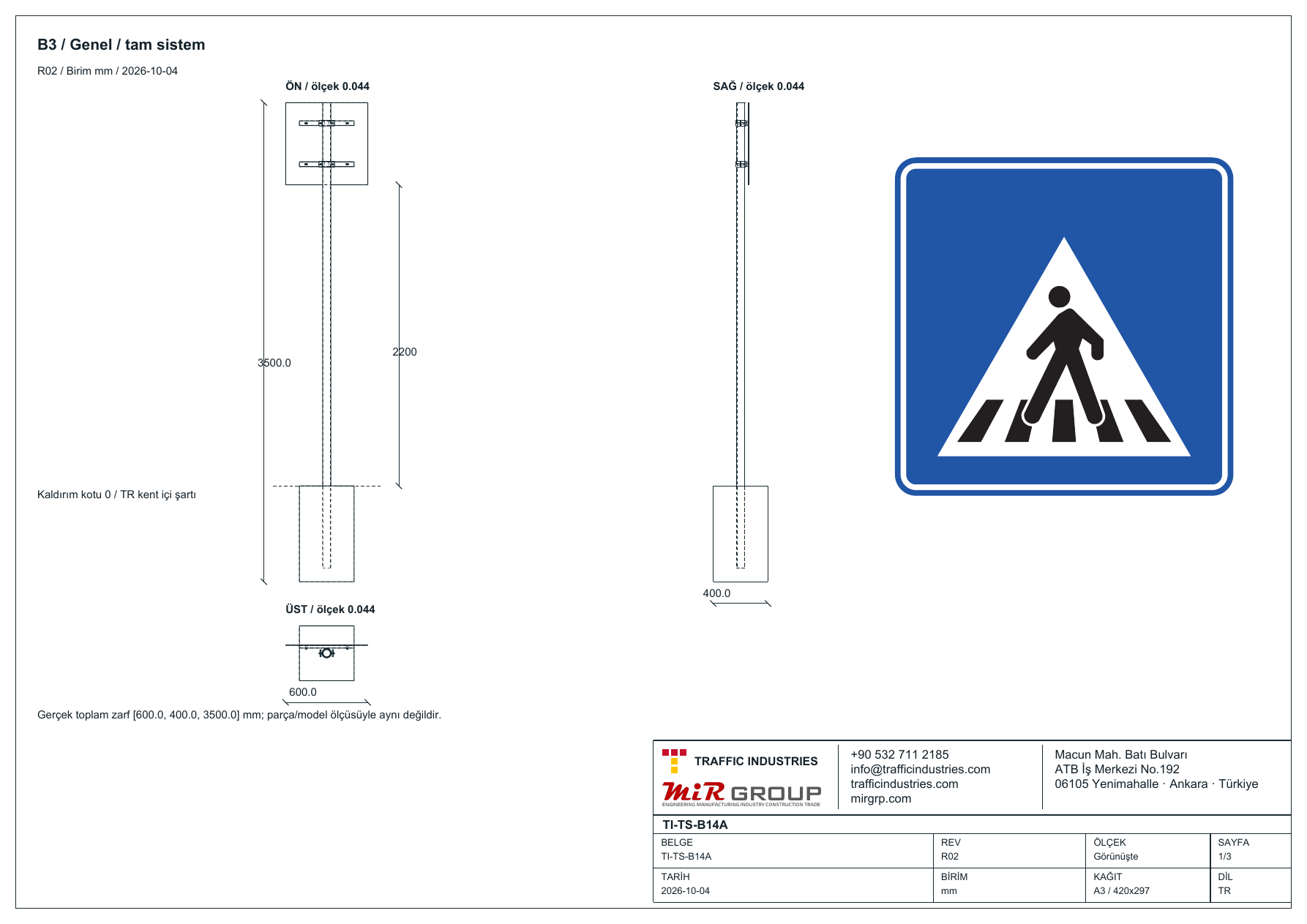
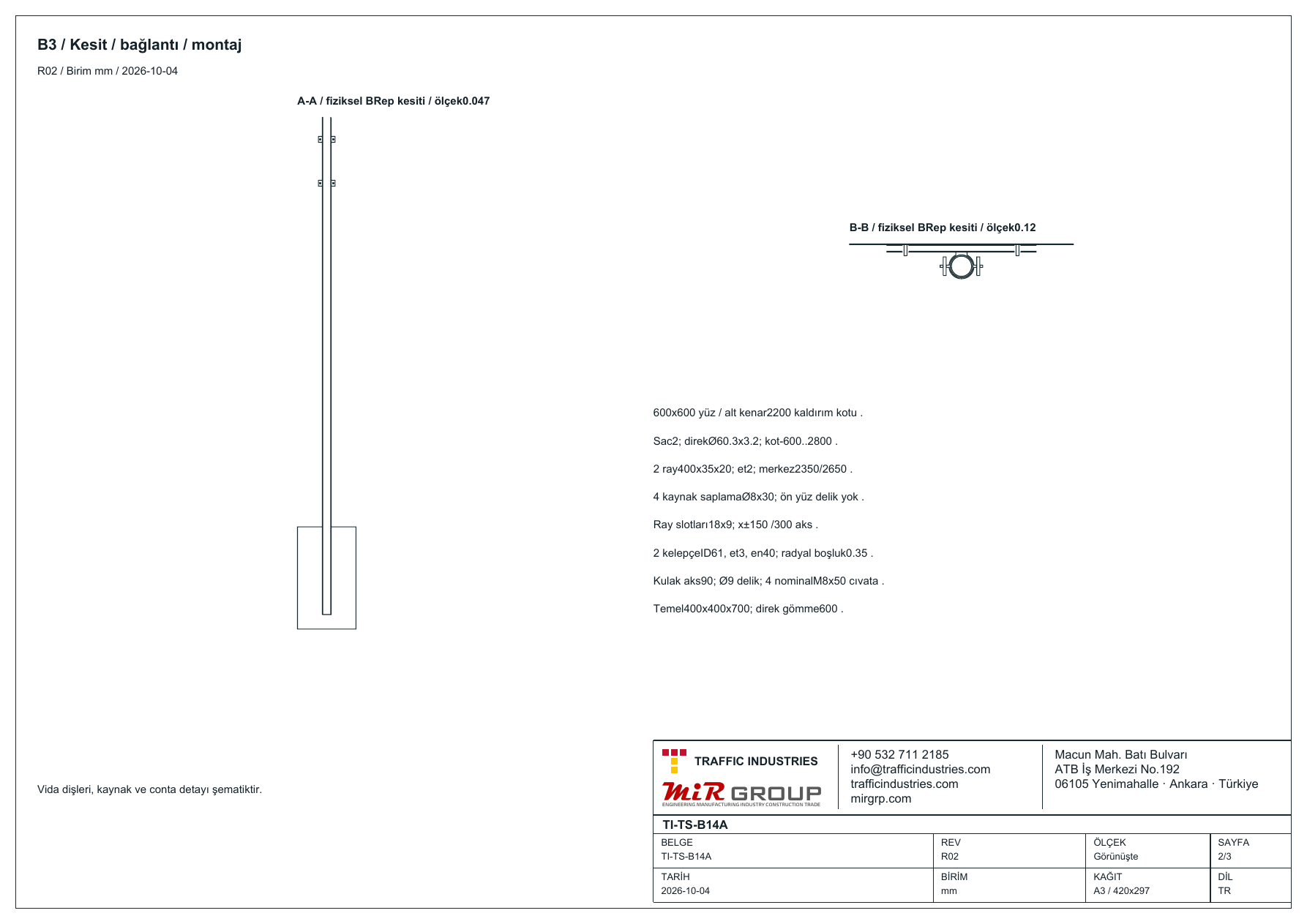
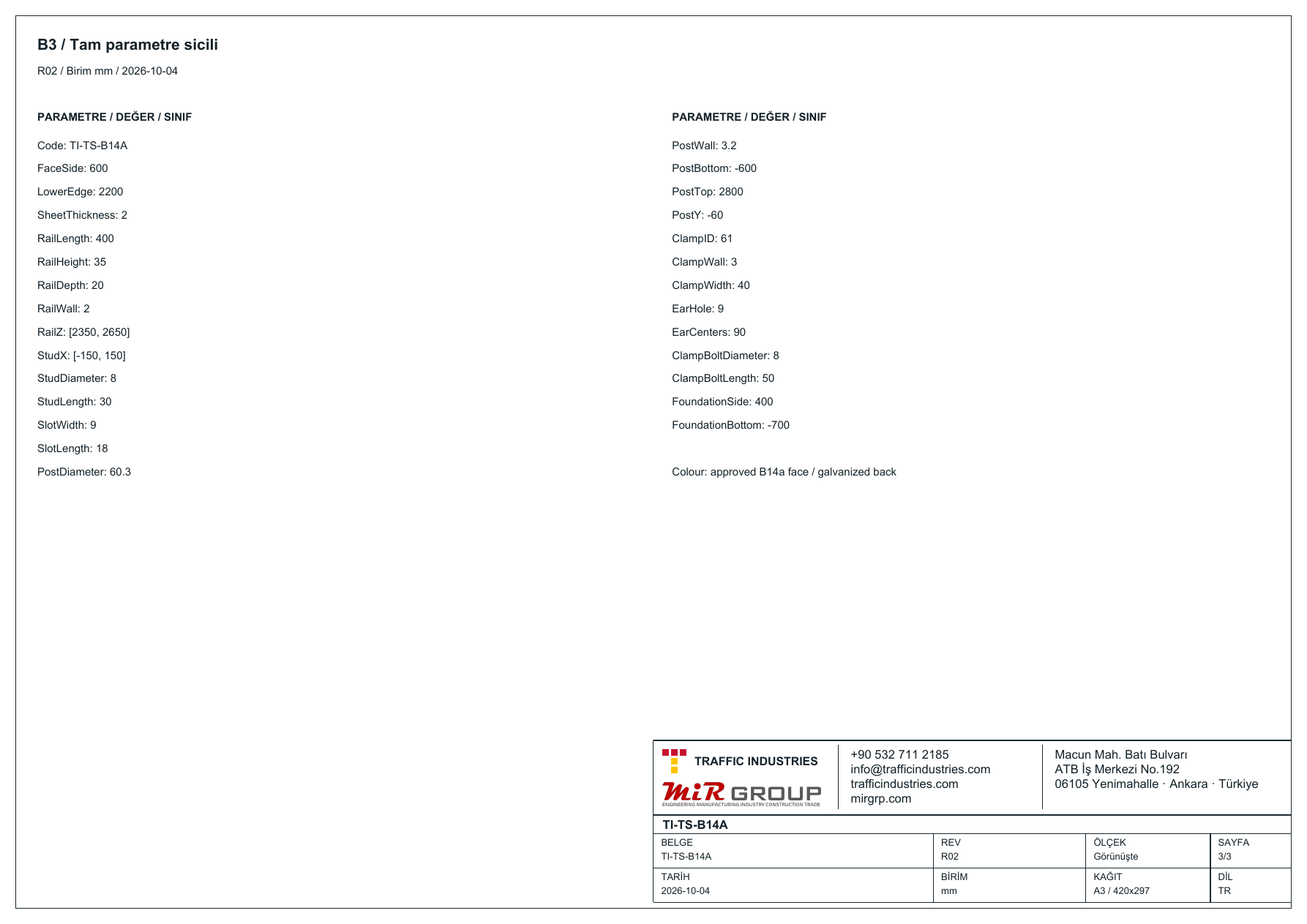
Specify the sign face, post and fixings separately. Also identify who is responsible for foundation construction and support design.
The location and authority specification determine the sheeting class. Match the offered sheeting documentation to that class.
The face drawing defines the message and graphic identity. Panel, post, fixing and foundation design are separately needed for the installation site.
Work zone & barricades — all modelsStandard cross-reference table40'HQ container calculationDescribe the job, we list the equipment
Quantity, destination country and your specification if you have one. A technical answer comes back the same day; pricing is prepared by a person, never auto-generated.