Get a quote for this product
Quantity, destination country and your specification if you have one. A technical answer comes back the same day; pricing is prepared by a person, never auto-generated.
Request a QuoteTell us quantity, country and mounting type — a technical answer comes back the same day.
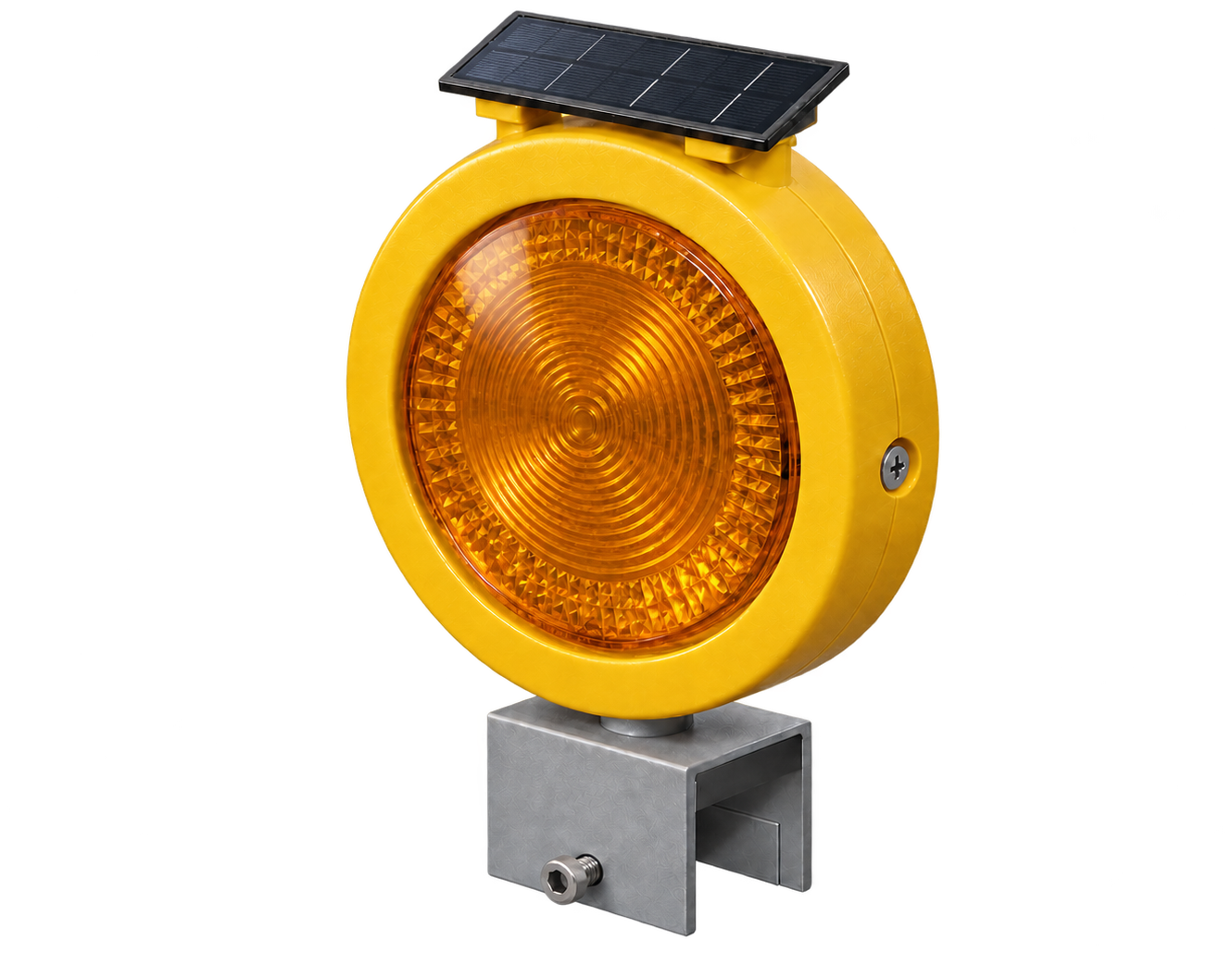
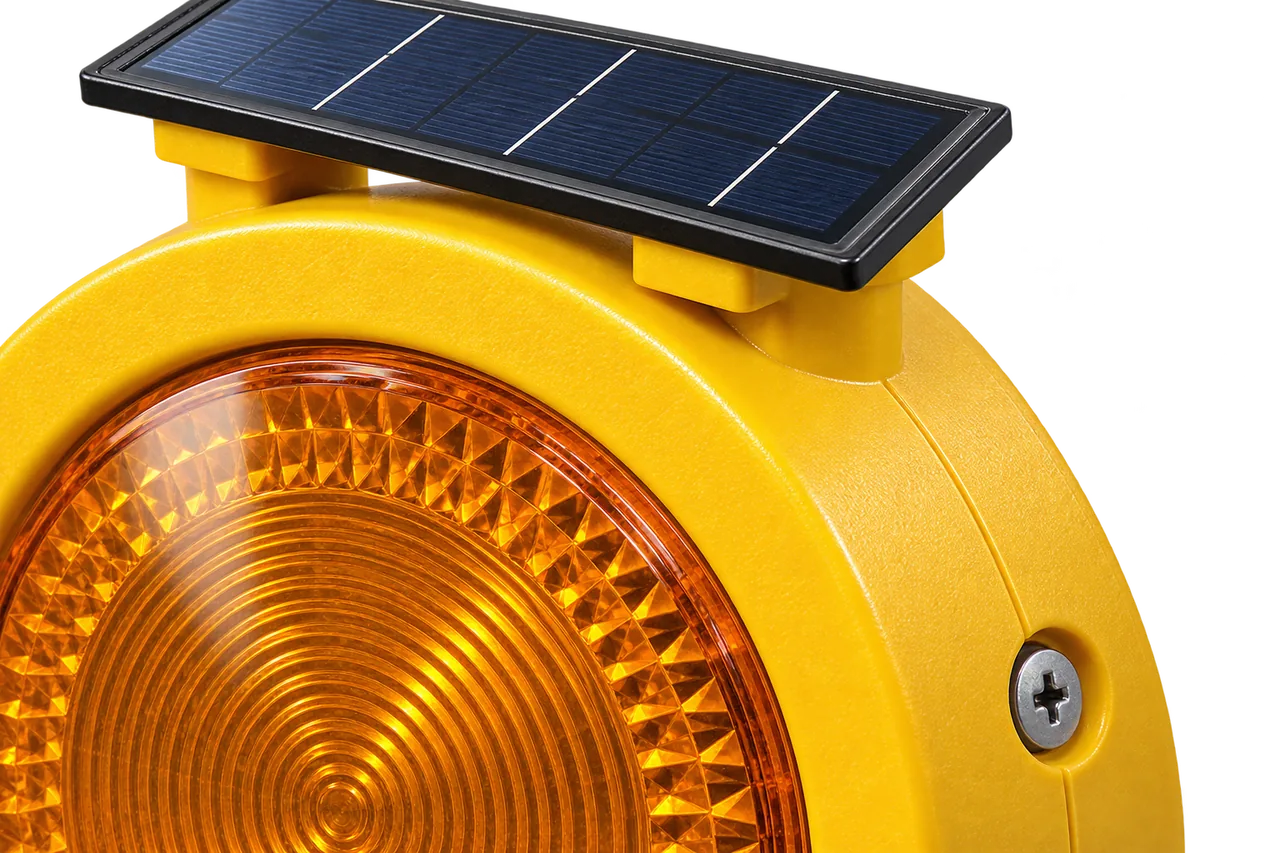
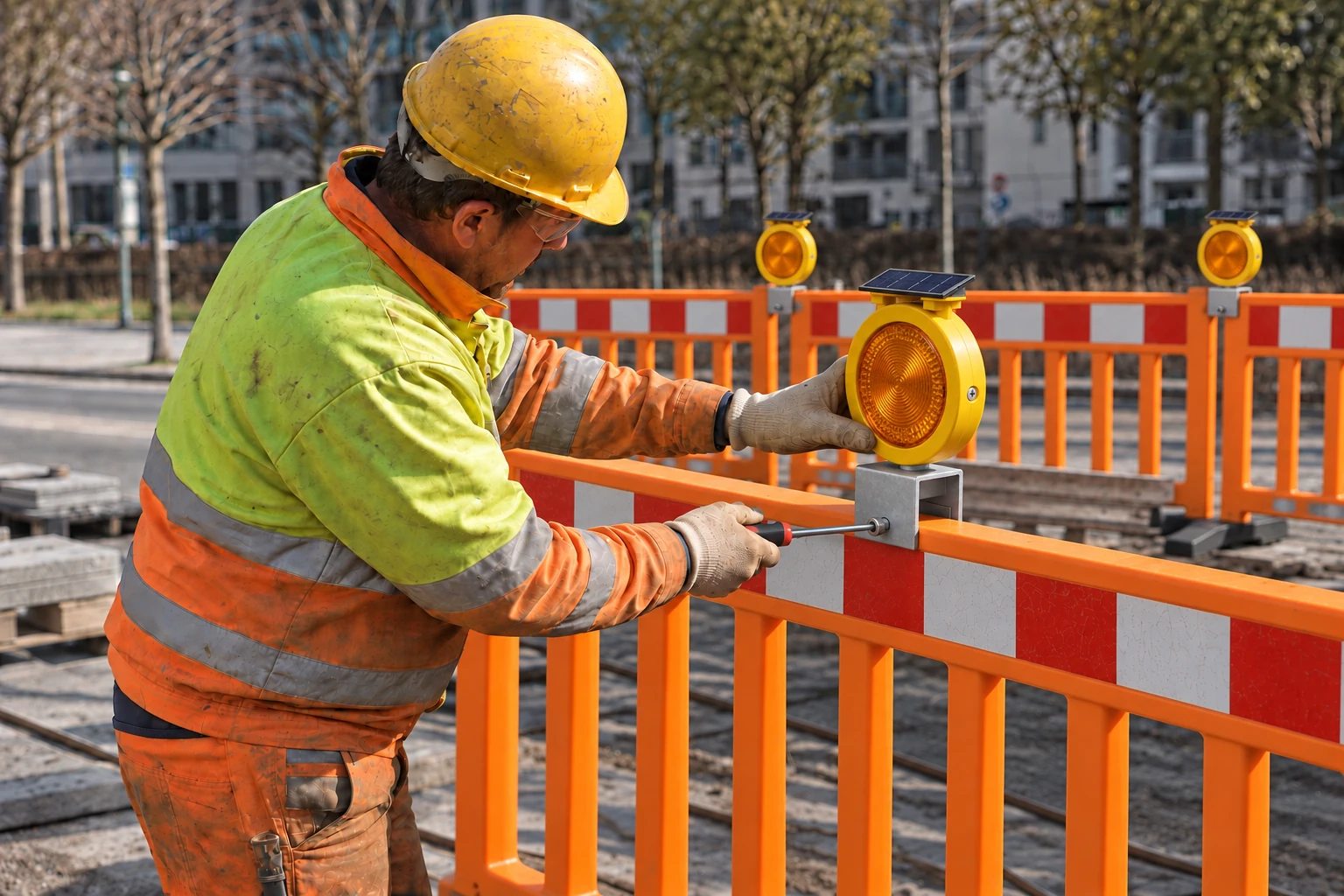
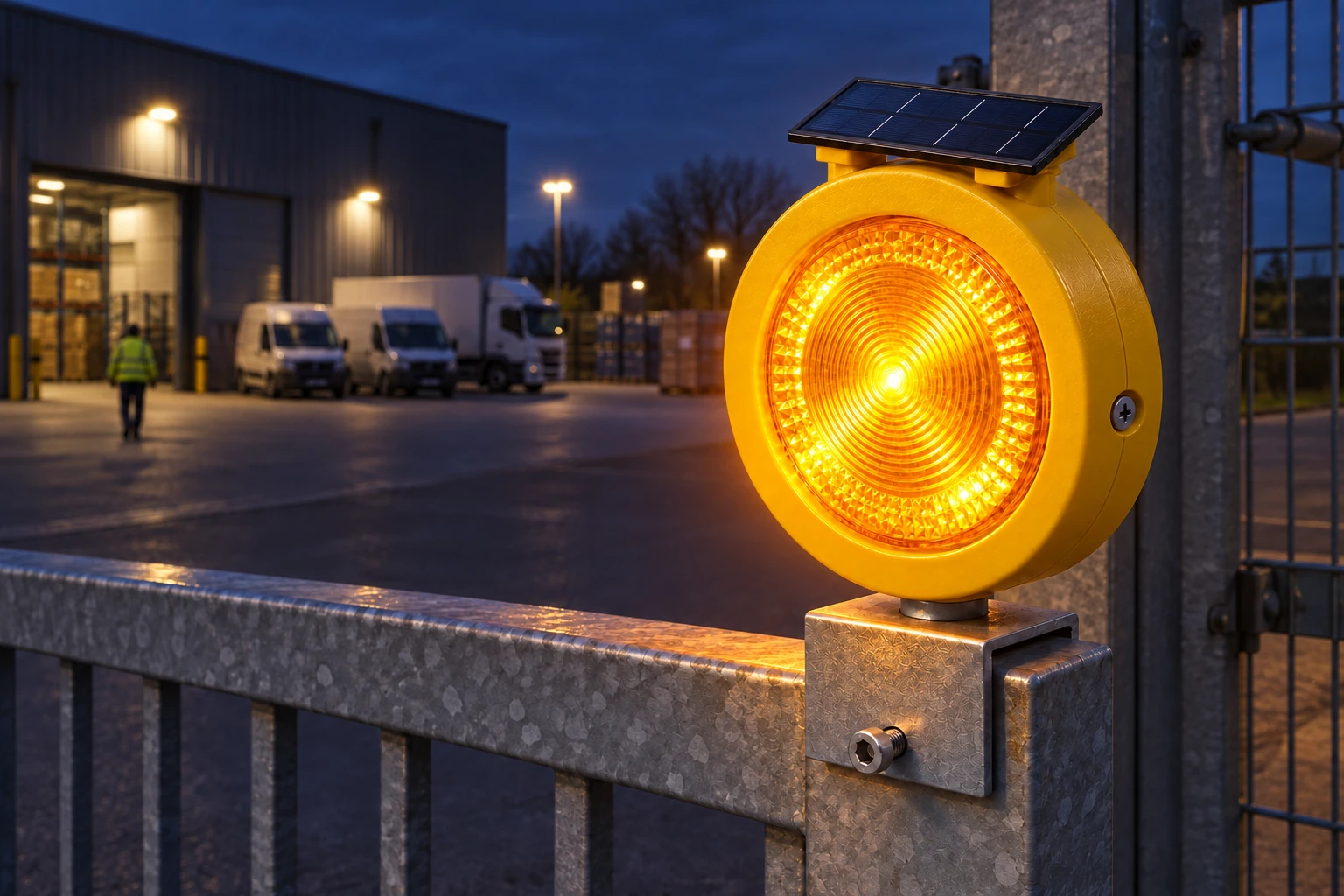
Digital application scenes illustrate how the product may be used; they are not records of completed customer projects.
Select warning lamps for work areas and hazard points by power supply, operating mode and viewing direction. Confirm flash timing and operating duration against the actual model's verified datasheet and measurement conditions.
| Model and supply requirement | Application and required power supply; confirm the actual model code and datasheet within the quotation scope. |
|---|---|
| Energy and operating duration | Operating hours, panel power, battery information and consumption; runtime requires the mode and measurement conditions. |
| Optical and environmental requirements | Direction, colour, operating mode, temperature and protection requirements; request matching model data and reports. |
| Support and fixing | Support drawing, mounting surface and installation scope; clarify adapter, fixings and calculation responsibility in writing. |
|---|---|
| Documentation requirement | Current model datasheet, installation/maintenance instructions and specified test reports; state both model and report identity. |
| Order and delivery | The quotation states the order quantity, delivery destination and date, package contents, warranty terms and power components for the selected model. |
The files are free to download and require no registration.
EN 12352 governs warning and safety light devices. Lamps are classified L1 to L9 by luminous intensity.
L2 splits into low and high, L8 into very low, low, medium and high, and L9 into low, medium and high.
For flashing lamps the measured figure is effective luminous intensity, while steady lamps are rated on the actual value. Work-zone specifications usually ask for a class, so ask which class the device was tested to.
A verified duration for this product is missing. Matching model data must include panel, battery, consumption, mode and measurement conditions.
The catalogue group covers solar and AC enquiries; current sources do not verify our own AC model. Confirm the actual model, supply and availability at quotation.
Universal compatibility is not verified. Check support dimensions, adapter, fixing and service loading together for the actual selected model.
Send the country, road/work type, quantity, operating hours, power requirement and support details. Attach any specification and request datasheets, instructions and required test reports.
Quantity, destination country and your specification if you have one. A technical answer comes back the same day; pricing is prepared by a person, never auto-generated.