
Work zone & barricades

Closes lanes, keeps sites visible.

Work zone & barricades: the products

Traffic barriers

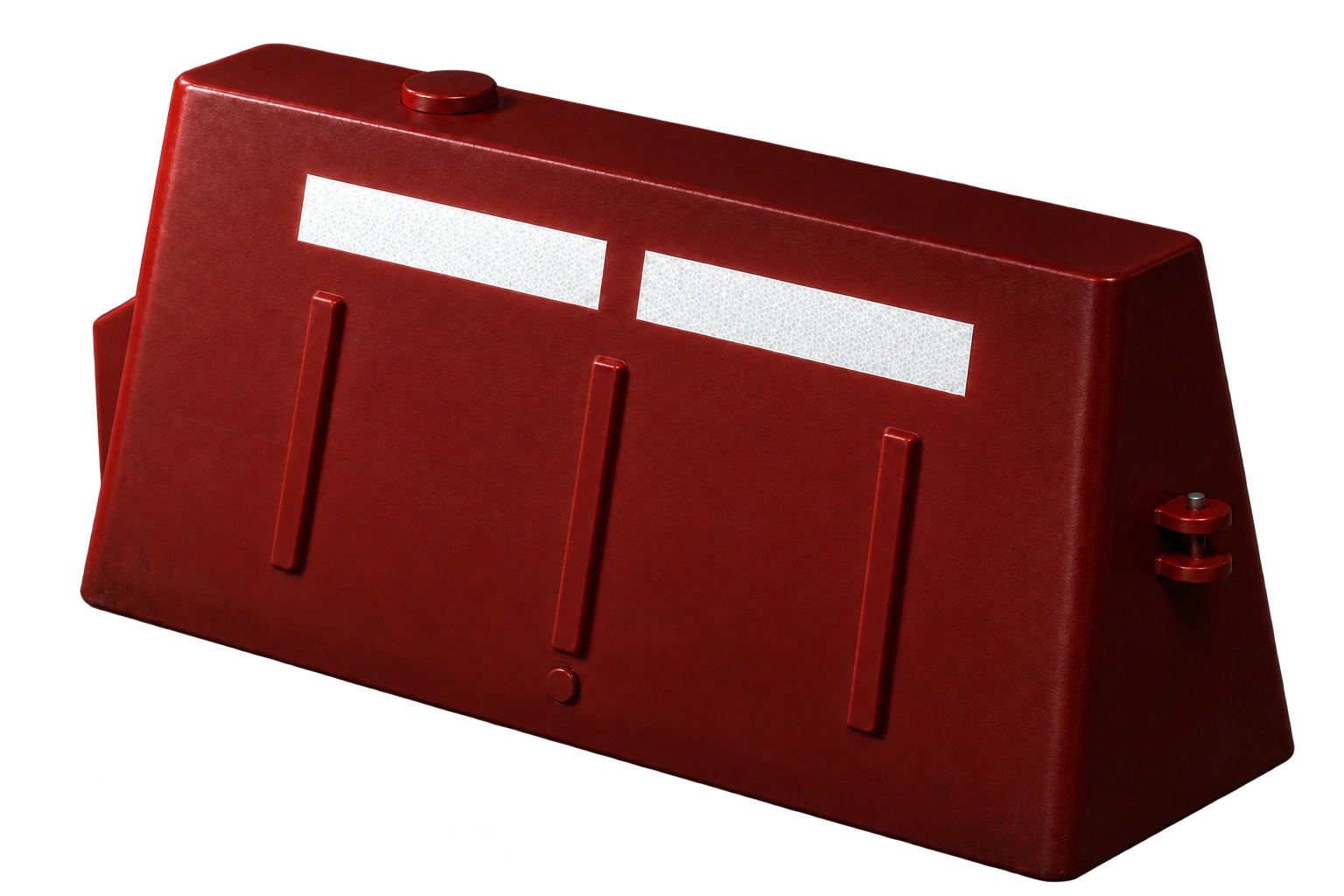
A traffic barrier is the portable wall that closes a lane and keeps pedestrians out of the work area.

It travels empty and is filled with water or sand on site: full it stays put, empty one person carries it.

From motorway maintenance to event control, it is the fastest part of a temporary layout to set up.

Technical data and dimensions →

Safety barricades

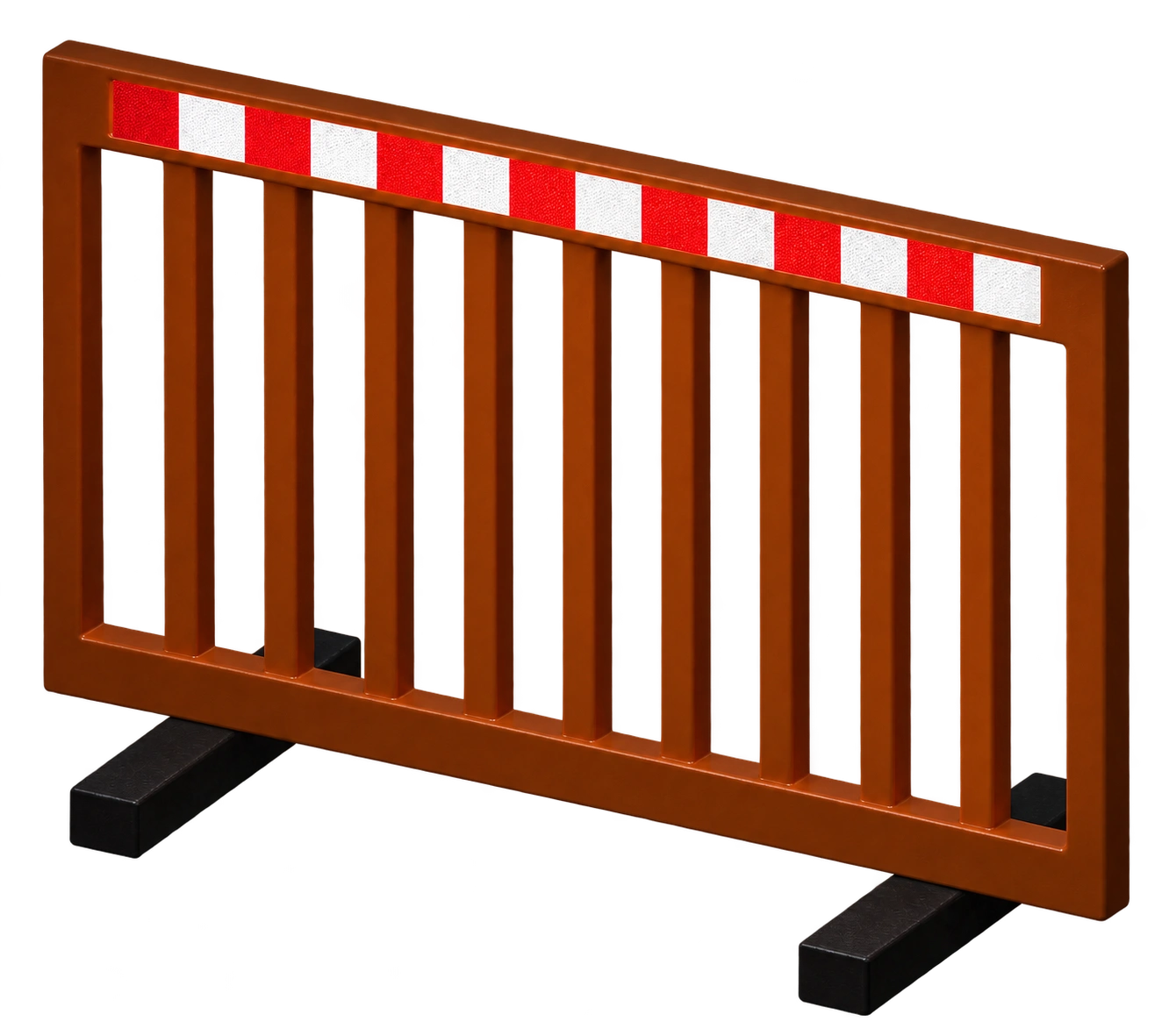
Safety barricades close off an excavation and carry a light after dark. On pavement work, an open manhole or a short intervention they keep pedestrians and vehicles away.

A warning lamp fits on top, so they stay legible at night.

Technical data and dimensions →

Traffic signs

Traffic signs with folding stands are the part that states the rules of a temporary layout. Speed limits, lane narrowing and diversions on a work zone are told through these signs.

The folding stand lets them fit in a van and be set out by one person. Unlike a permanent post-mounted sign, they are collected the same day the job ends.

Technical data and dimensions →

How to choose

This family sets up the whole of a temporary layout. Closing a lane, fencing an excavation, stating the rule and staying visible at night.

What the products share is that they are set out and collected; none is a permanent structure.

The order of setting out matters and is not reversed. First the sign on the approach, then the barriers or cones along the taper, and last the work area itself.

Set out in reverse, the crew works unprotected.

Every layout left open overnight needs light. A reflective panel returns the headlamp beam while a warning lamp makes its own, and the two are not interchangeable. An excavation left in the dark needs both.

The commonest mistake is leaving ballast for later. An empty barrier, a barricade without sandbags and an unweighted sign stand leave the road in the first wind.

Ballast is not the last step of the installation but the installation itself.

When asking for a quotation, state how many lanes close, how long the layout stays and whether it is used at night.

Those three reveal the difference between the light and heavy answers to the same job.

The equipment is collected and checked at the end of the season.

A broken panel, a dead lamp and torn fencing are sorted out as they enter the store rather than on the first day of the next season.

Stock control is part of the job in this family. If the crew leaves without knowing how many of each item it has, the layout goes out incomplete.

An incomplete layout counts as no layout at all.

Get a quote

Quantity, destination country and your specification if you have one. A technical answer on your enquiry comes back the same day; pricing is prepared by a person, never auto-generated.

Request a Quote