Get a quote for this product
Quantity, destination country and your specification if you have one. A technical answer comes back the same day; pricing is prepared by a person, never auto-generated.
Request a QuoteTell us quantity, country and mounting type — a technical answer comes back the same day.
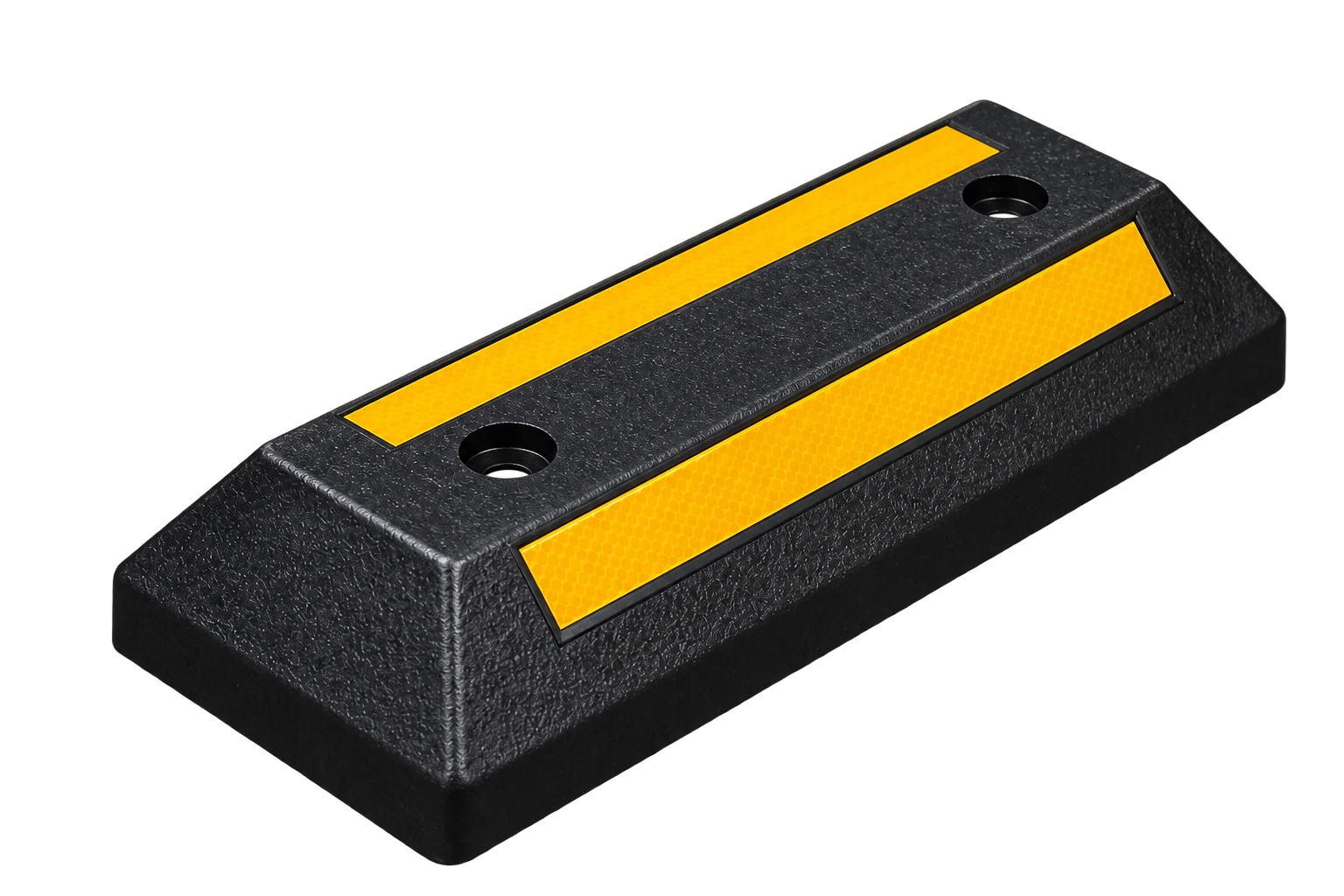
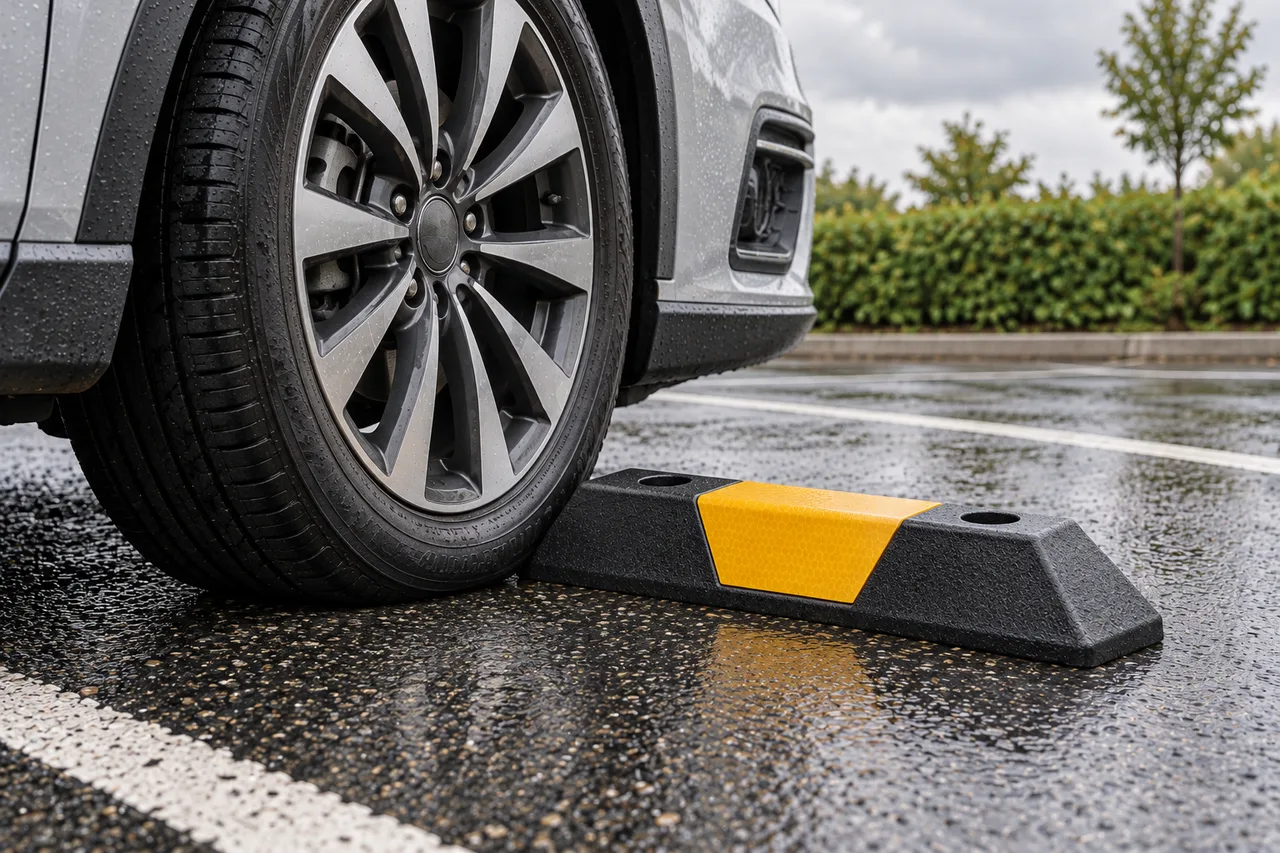
Digital application scenes illustrate how the product may be used; they are not records of completed customer projects.
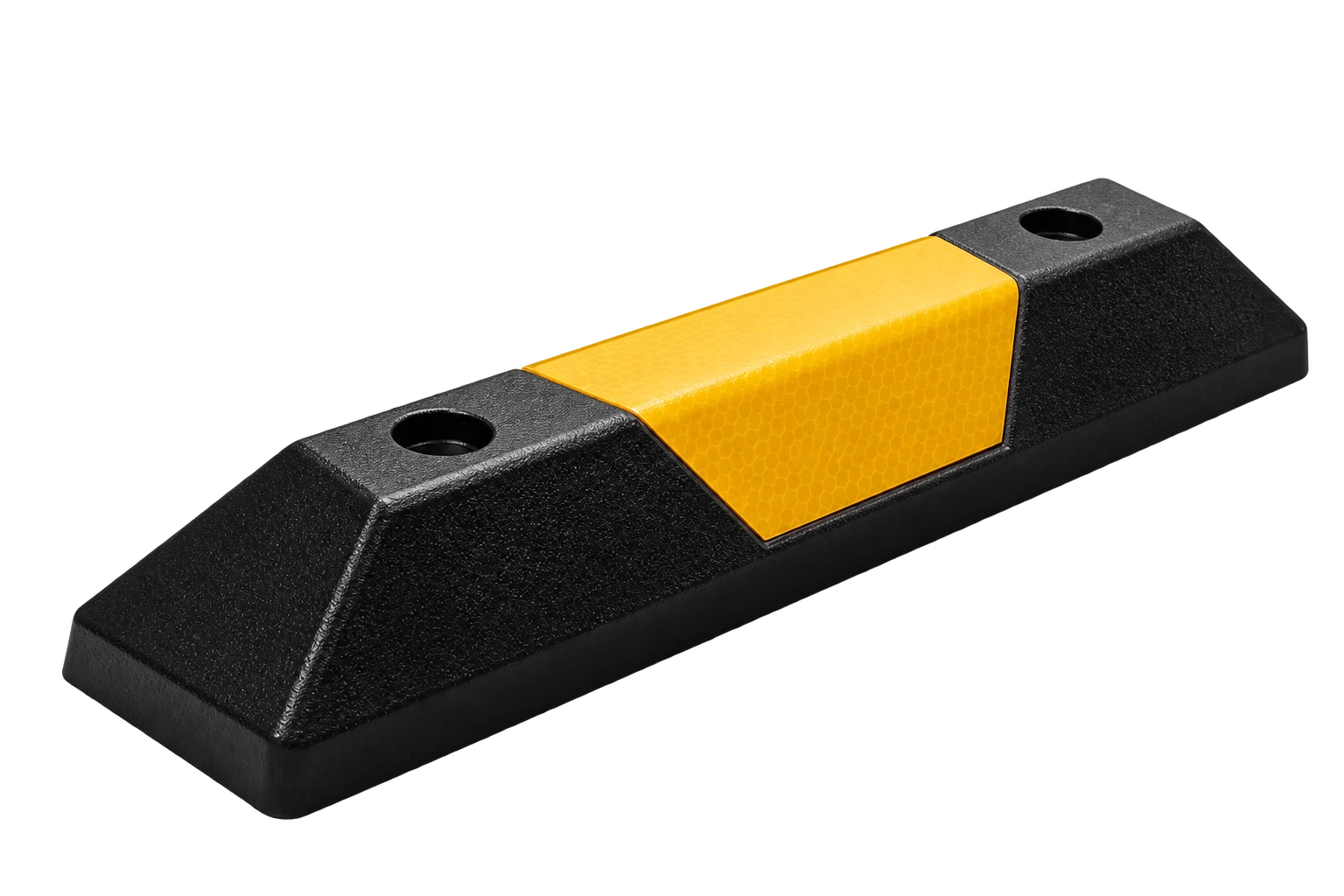
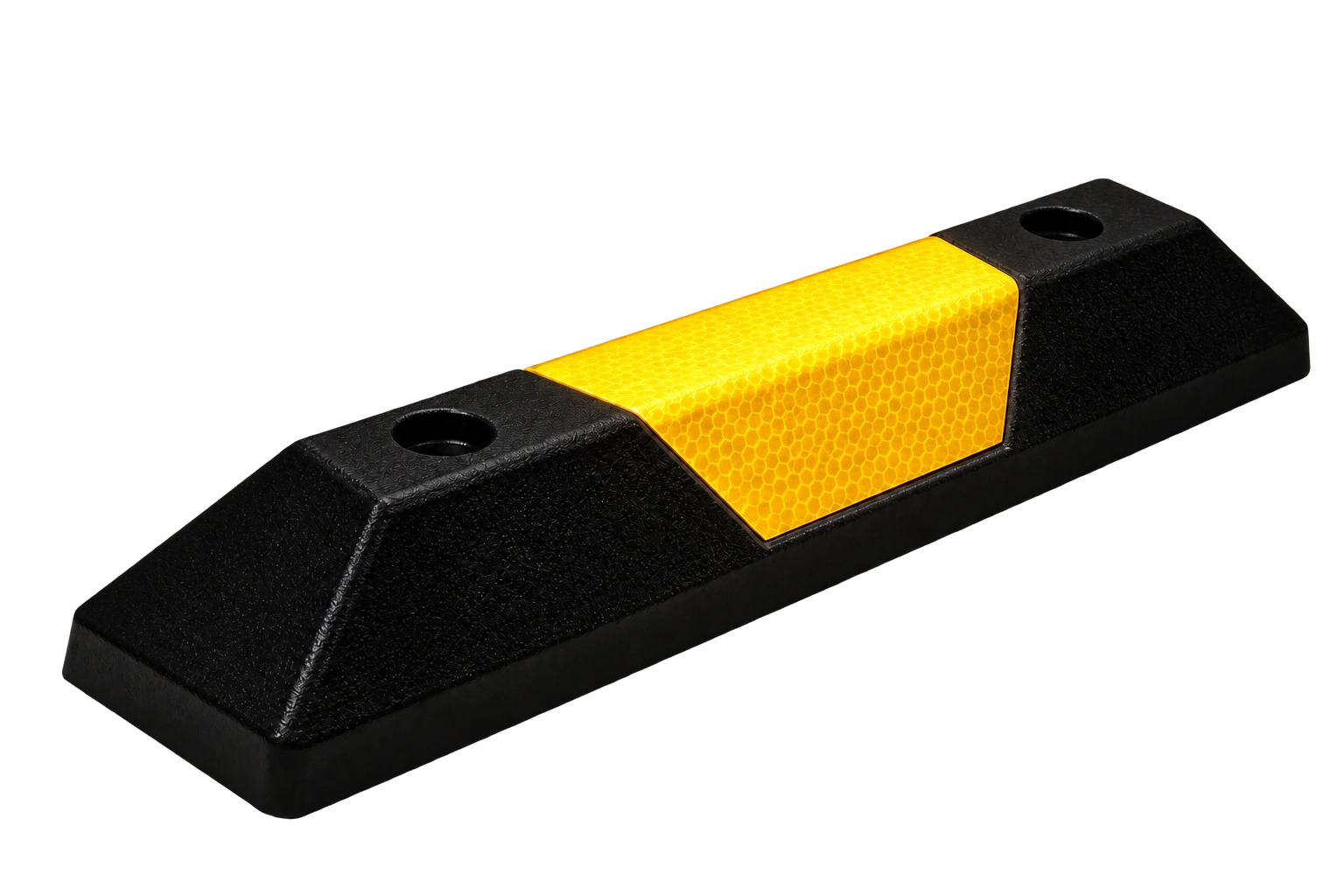
A wheel stop defines the tyre stopping point in covered and open car parks. Its position accounts for the clearance to walls, columns, kerbs and footways after the wheel stops. Length, width, height, material and fixing arrangement are assessed together in the selected model datasheet. Wheel stops are also used at charging points and facility entrances according to the layout plan.
| Model reference | TI-E1-WS900-P01 • nominal body dimensions 900 × 150 × 100 mm |
|---|---|
| Fixing holes | 2 × Ø14 mm holes; 580 mm longitudinal centres, 160 mm from each end. |
| Scope of dimensions | Dimensions refer to the identified downloadable design model; order dimensions and fixings are confirmed on the project drawing. |
| Outside dimensions | Length × width × height are confirmed against the selected model datasheet. |
|---|---|
| Material and mass | Material grade and mass are confirmed together for the same model. |
| Sheeting surface | Colour, sheeting type and optical requirements are defined for the order. |
| Parking direction and clearance | Front/rear overhang, wall/kerb and footway are assessed together in the layout drawing. |
|---|---|
| Hole and anchor arrangement | Hole count and arrangement are confirmed from the datasheet; anchors and tightening information from the installation instructions. |
| Delivery scope | Fixing types and whether they are included in delivery are confirmed separately in the quotation. |
The files are free to download and require no registration.
There is no harmonised product standard for wheel stops. Four questions replace it. Is the body material solid rubber or a recycled blend? What height and depth stop the tyre without touching the front subframe?
Which fixing suits the ground — dowels in asphalt, anchors in concrete? And what class is the reflective strip? Permanence is decided by choosing the right dowel rather than by any standard.
The wheel-stop layout is prepared to the project specification. Dimensions, material, mass, fixings and delivery scope are confirmed for the selected model; assess any required test and conformity documents with the product identity.
No. Width, height, material, mass and fixing arrangement also identify the model. Equal outside dimensions can correspond to different materials and masses.
The layout is assessed with the vehicle’s front or rear overhang and pedestrian passage. A single wall clearance is not specified for every vehicle.
The fixing follows the ground and the selected model’s installation instructions; the product name does not define the anchor type or supplied kit.
Confirm the model dimensions, material, mass, fixing arrangement and delivery scope together. Match any required test documents to the same model.
Parking & facility — all modelsStandard cross-reference table40'HQ container calculationDescribe the job, we list the equipment
Quantity, destination country and your specification if you have one. A technical answer comes back the same day; pricing is prepared by a person, never auto-generated.