Get a quote for this product
Quantity, destination country and your specification if you have one. A technical answer on Installation equipment comes back the same day; pricing is prepared by a person, never auto-generated.

Installation equipment is used to tie posts and hardware to the ground so they stand for years as on day one. The driving cap passes the blow into the body without destroying the post head; the augers and breaker points in the installation equipment kit work separately for soil, asphalt and concrete. It is durable, chosen for the ground and reused. The extraction tool removes a broken post without damaging the socket. Installation equipment is used on route installation, asphalt and concrete drilling, maintenance rounds and emergency repair.
Request a QuoteTell us quantity, country and mounting type — a technical answer comes back the same day.
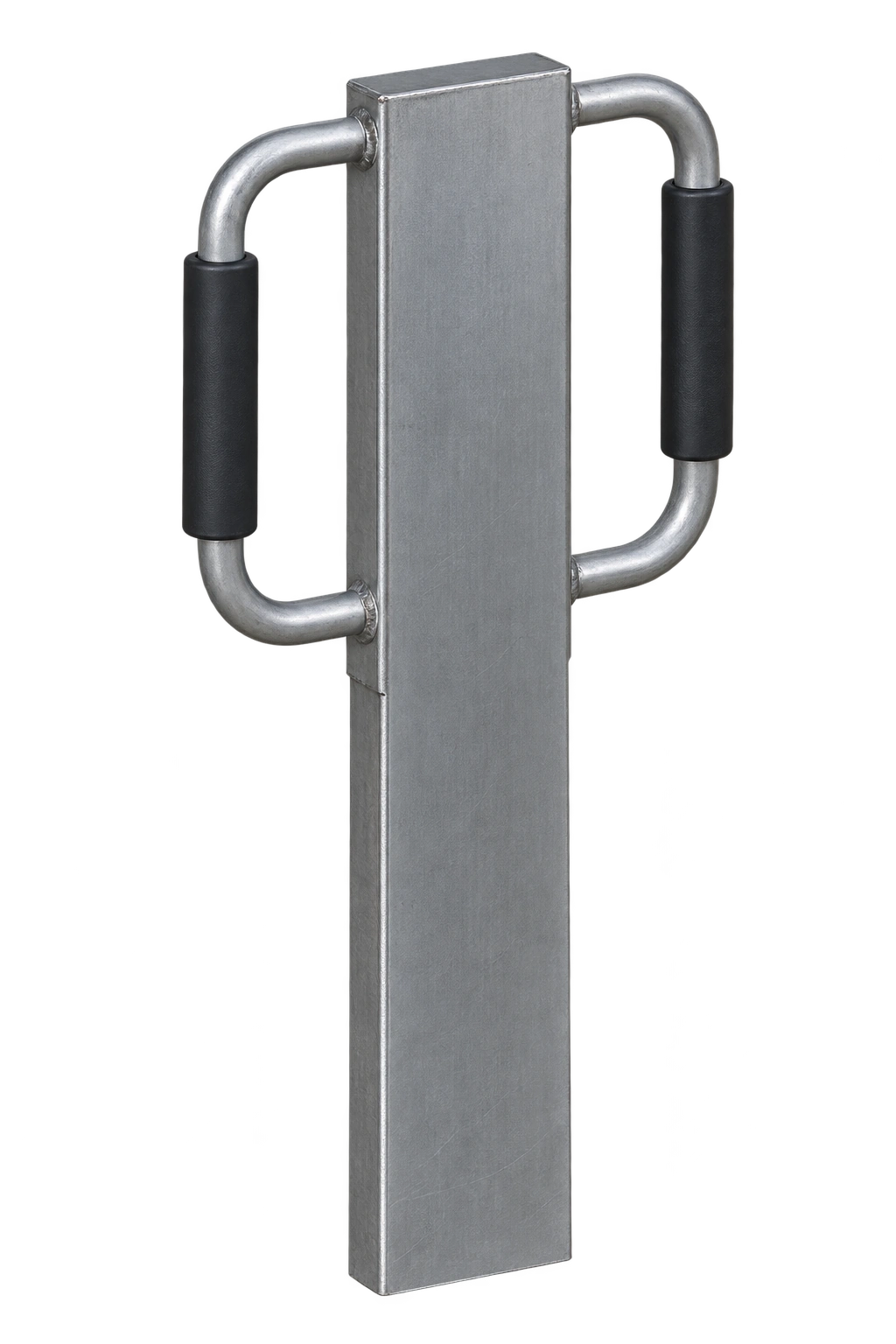
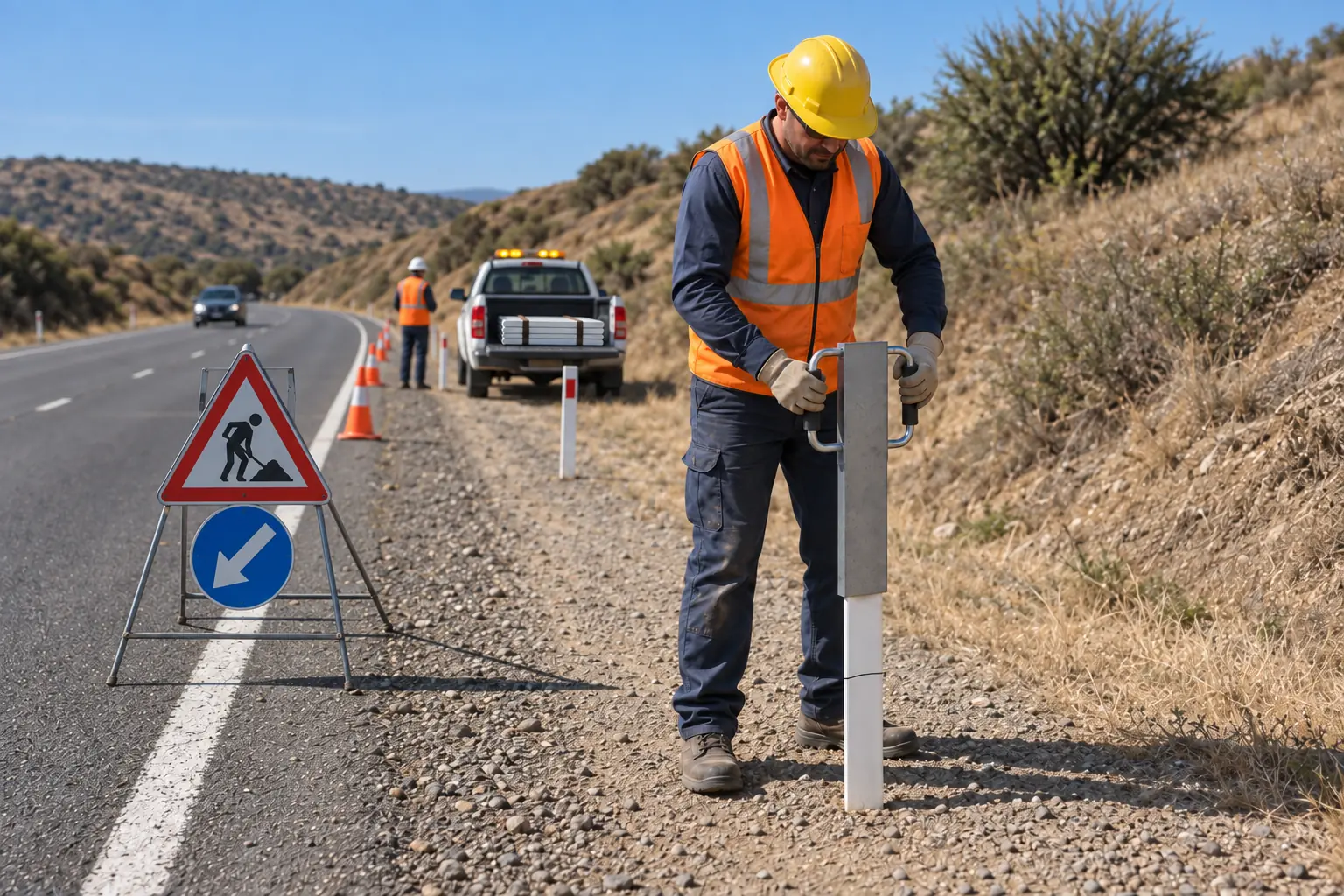
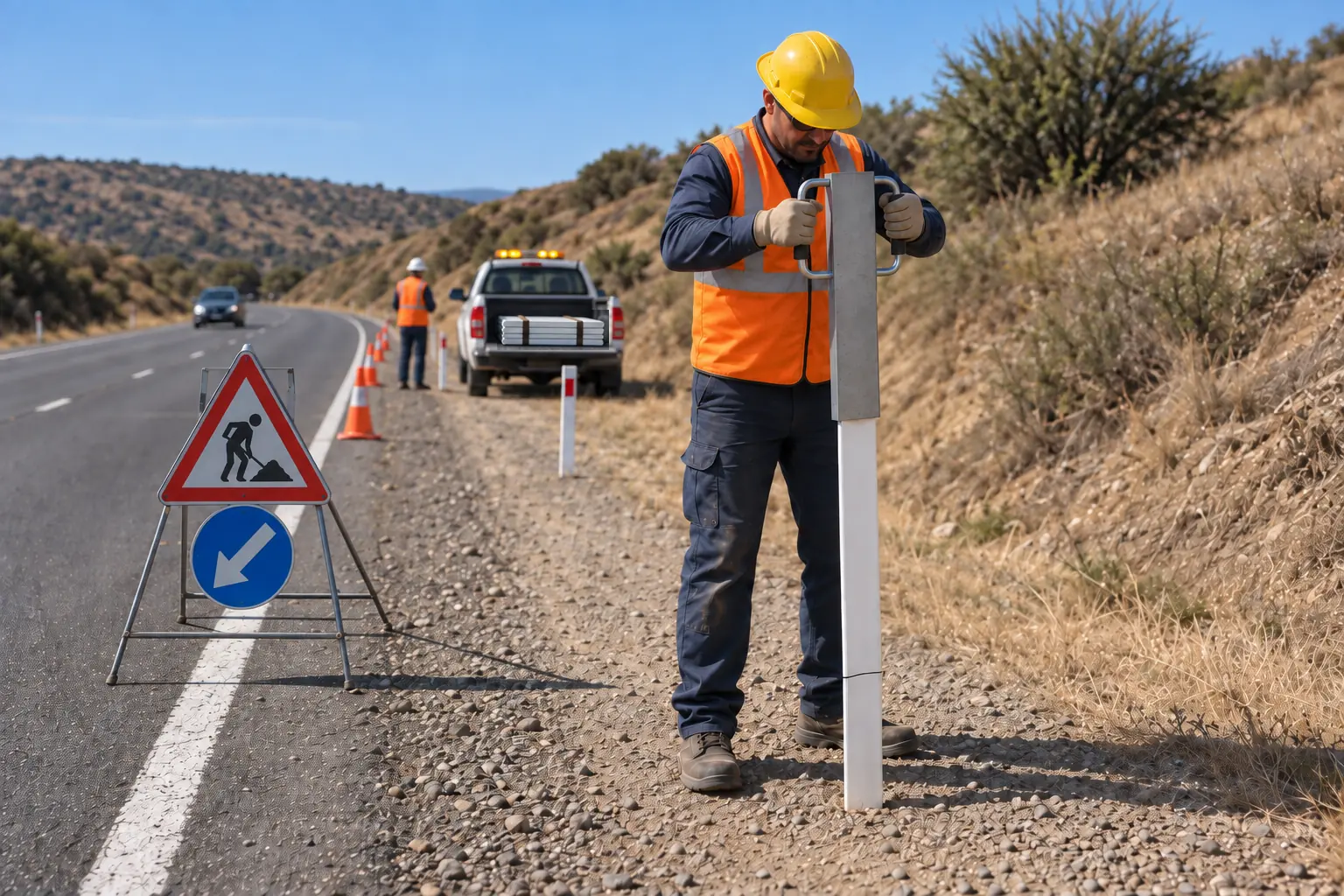
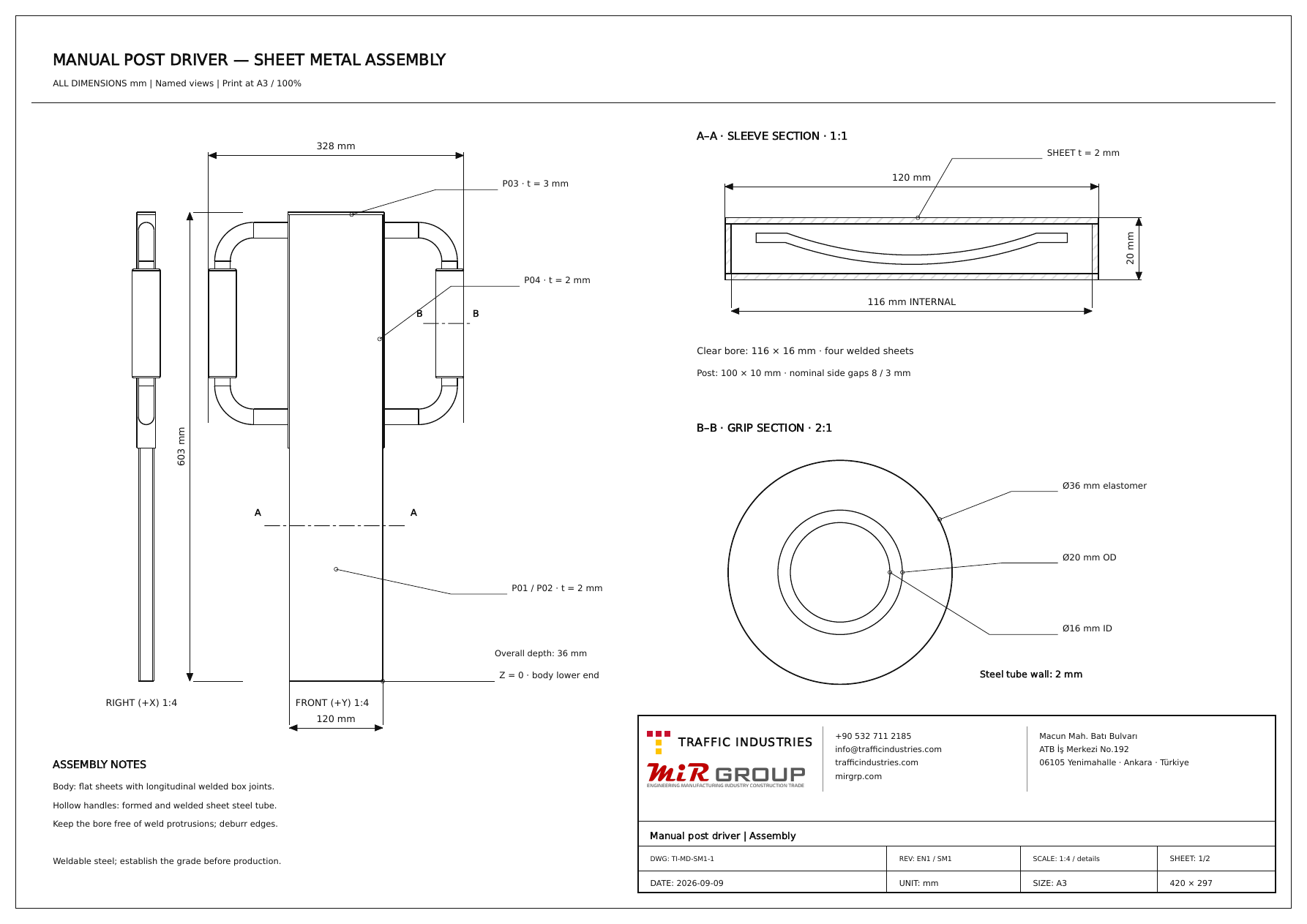
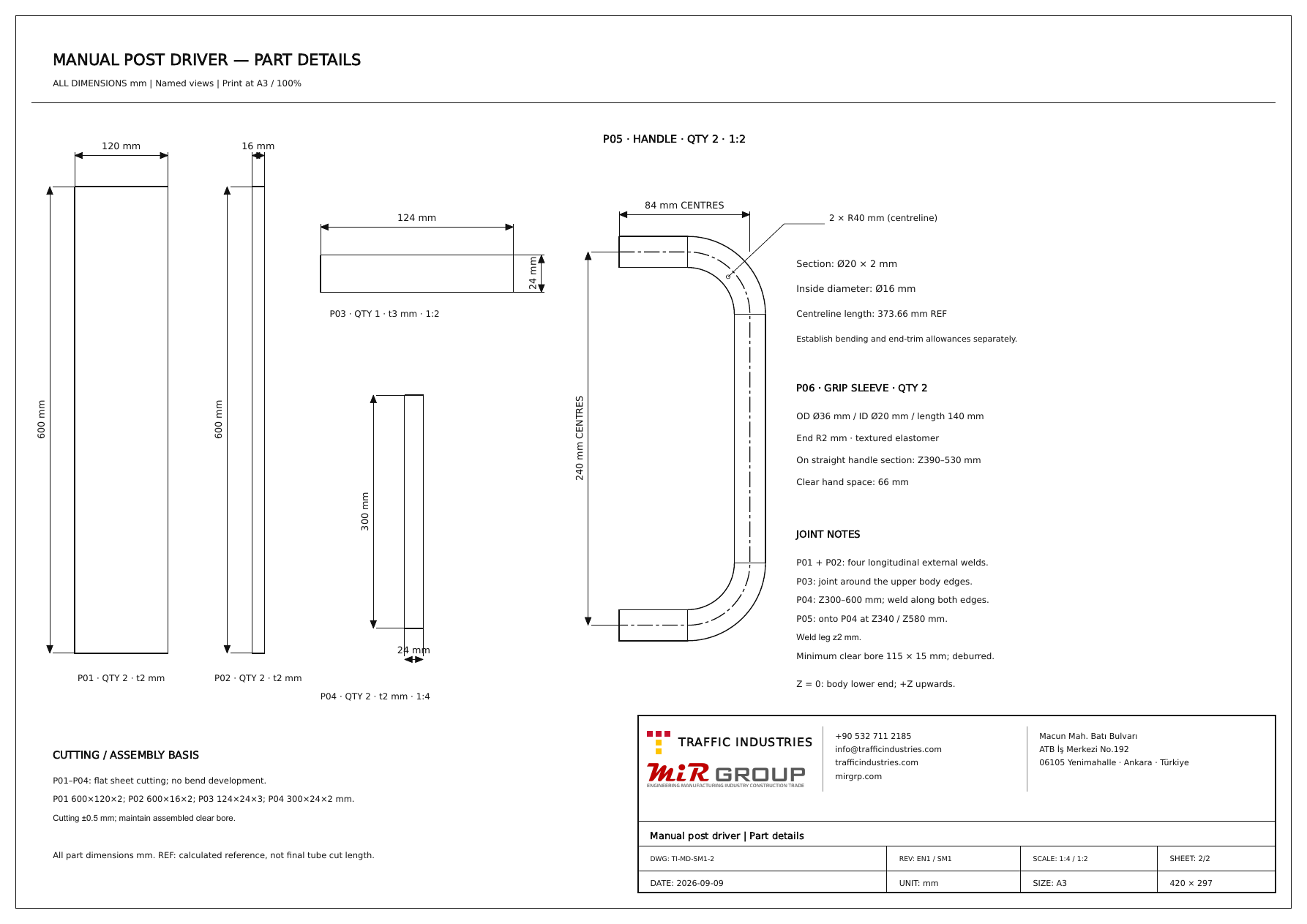
Manual driving sleeve, earth auger and breaker points, each with a user manual.
The toolkit needs maintenance too. The tip of a driving cap flattens over time. A flattened tip starts destroying the head of the post, so the cap is inspected at the start of each season and re-tipped when needed.
Telling us the mix of ground types along the route keeps the crew from arriving without the right tool. Where soil, asphalt and concrete all appear on one route, the kit is built for that and nobody makes a second trip.
The method has three steps: hand tool, hydraulic driver and vehicle-mounted driver. The hand tool suits small batches and scattered points. The hydraulic driver speeds up continuous route work; the machine is considered together with its power pack — the oil flow and working pressure the driver asks for are matched before the order against what the power pack on site can give. On a vehicle-mounted driver the impact energy, the pressure and the blow rate are separate parameters; none is derived from another. Which step fits is recommended in writing with the quotation, based on the volume of work.
The spare-parts logic of the kit runs separately from the product: body, base, socket, adaptor, reflector and fixings are separate order items, each quoted with its compatibility code. A surface-mounting kit and a driven or socketed installation kit are not the same parts list. What gets replaced after damage — body only, base or reflector — becomes clear through this list, and the repeat order lands on the right part.
The technical values for this group follow the order's specification; size, material and weight are stated in writing with the quotation.
Hand-driven sleeves answer to method and safety practice; powered percussive hand tools are assessed under tool-safety standards such as the EN ISO 11148 family.
Grip and kickback on a manual driving sleeve, guarding and emergency stop on a powered auger. The real rule is in the method rather than the tool.
Check the route for buried services before driving, and stop when the post meets resistance.
The kit is built to the production programme and the order specification; the tool-to-post match is stated in writing at quotation. Told the mix of ground types, the crew arrives with the complete kit.
A sledgehammer struck directly on the head shatters the body and cracks the reflector, so the post is damaged from day one. A driving cap spreads the blow through the body and protects the head. It costs a few times what a post costs. The posts it saves on a single route more than pay for it.
With a template or a marked line; laying out by eye varies between crews and breaks down on bends. Constant spacing is not a matter of appearance. The driver reads the curve of the road from the rhythm of the posts, and a broken rhythm is a misread road. Spacing tightens through a bend. The driver reads the sharpening curve from the posts drawing closer, so constant spacing is the rule for straight sections.
The ground decides everything. Earth and shoulders take driving caps and soil anchors. Asphalt takes a core or hammer drill with expansion anchors. Concrete takes dowelled bolts or chemical anchors. Telling us the mix of ground types on the route before ordering is what keeps the crew from arriving without the right tool.
The cap must seat on the post cross-section — the outside diameter alone is not enough, because a GRP post is arc-shaped rather than round. Too large and it drives the blow into the edge and cracks the body. Too small and it does not seat at all, so the hammer strikes the post directly. Multi-size sets exist for crews using several post sections. Before the order, the internal clearance of the cap is matched against the post section drawing, and the cap ships to that match.
Three values: oil flow, working pressure and the return line. The flow and pressure band on the driver’s datasheet must match what the power pack delivers; the adaptor and hose connection go through the same check. On a vehicle-mounted driver the impact energy, the pressure and the blow rate are separate parameters — none is derived from another. The values vary by model; datasheets are shared with the quotation.
Quantity, destination country and your specification if you have one. A technical answer on Installation equipment comes back the same day; pricing is prepared by a person, never auto-generated.