Set the bump width
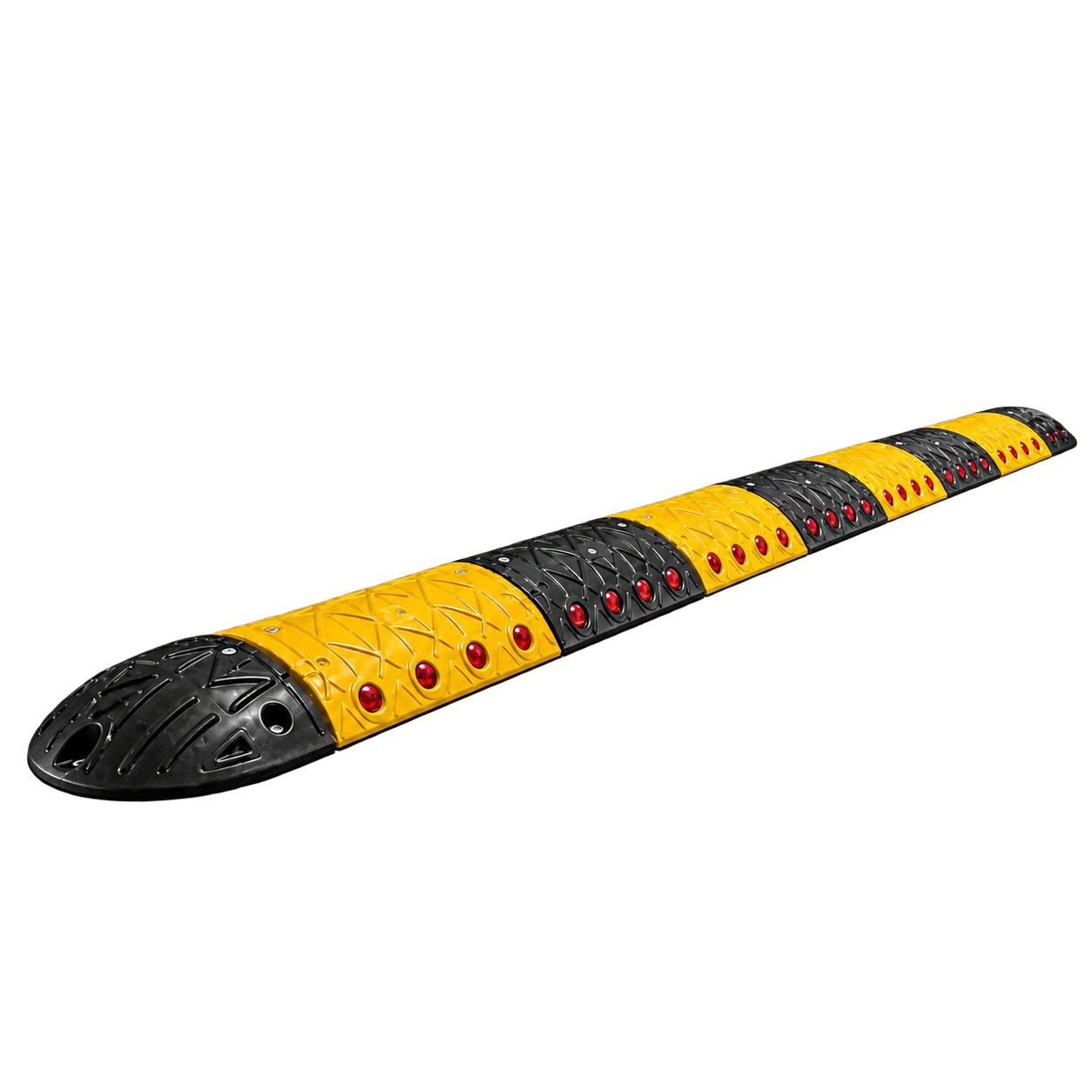
The main section spans 345 mm and the end cap 100 mm along the assembly. Eight main sections and two caps form a 2960 mm example set at a profile height of 50 mm.
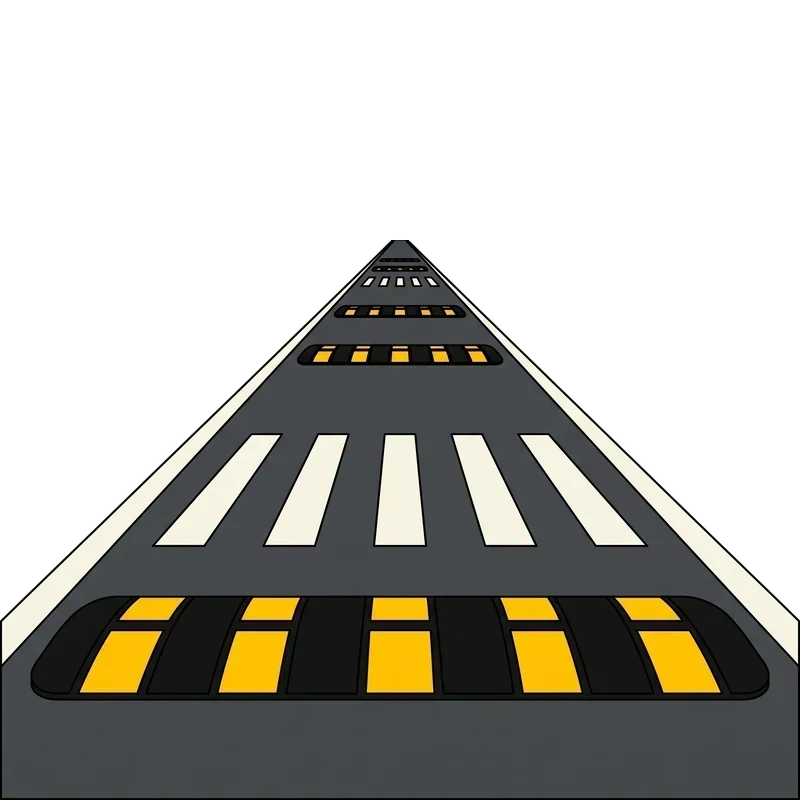
Set the available width and piece count for the PPC speed bump, and select aluminium or PPC for the passive stud. Fixings follow the selected body.
The main section spans 345 mm and the end cap 100 mm along the assembly. Eight main sections and two caps form a 2960 mm example set at a profile height of 50 mm.
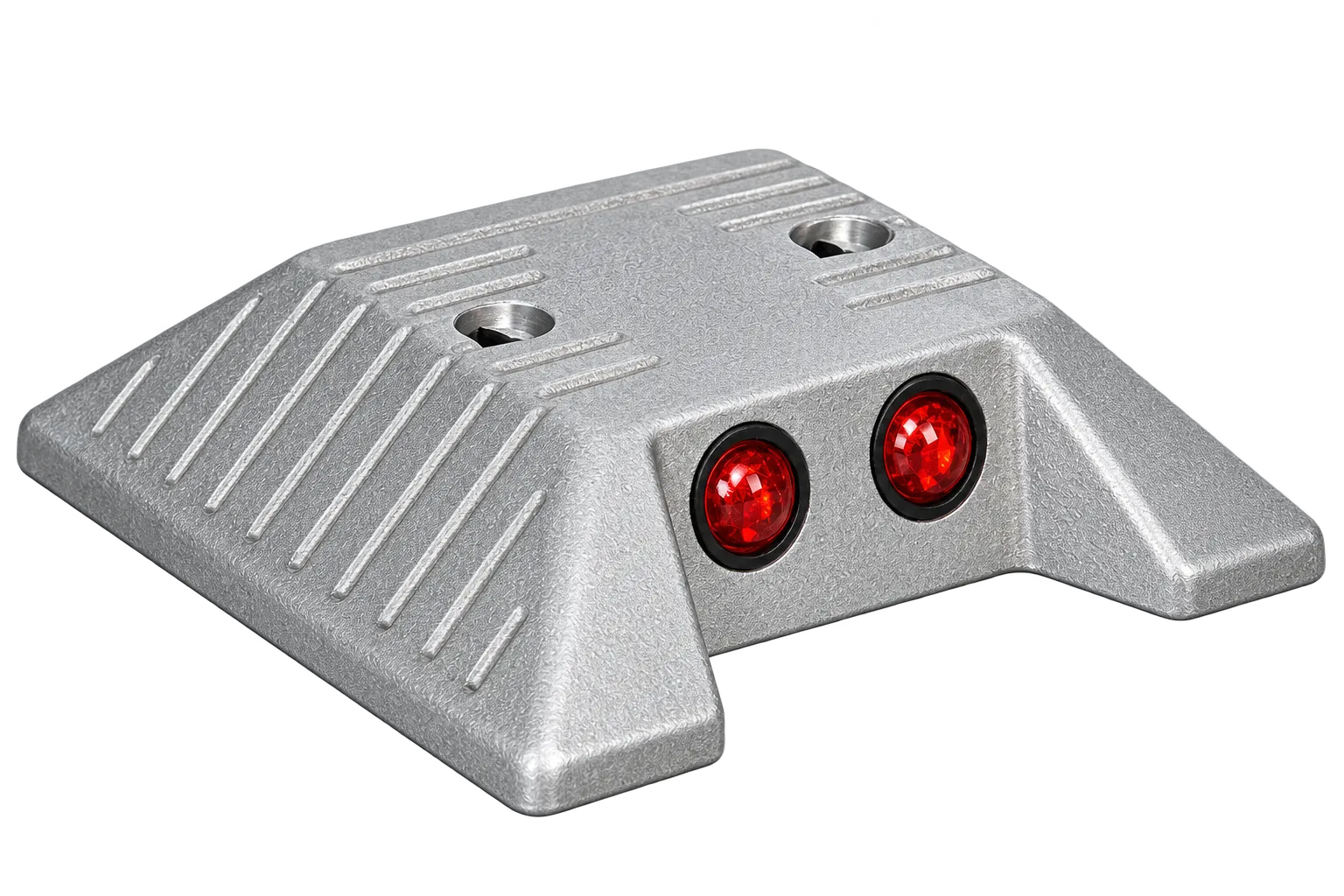
The square aluminium stud is 120 × 120 × 28 mm; yellow oval PPC is 120 × 220 × 28 mm. Both bodies carry 2+2 reflective elements.
Main speed-bump sections/end caps use 4/2 flanged 10 × 100 mm screws and plugs; each road-stud body uses 2 Buldex screws and plugs.
The 50 mm PPC bump height is kept separate from a different ramp or rubber body. Dimensions and fixings for aluminium and PPC stud bodies are kept separate.
With these three, the price and loading plan come in the first reply; without them we have to ask first.
Quantity, destination country and your specification if you have one. A technical answer comes back the same day; pricing is prepared by a person, never auto-generated.