Get a quote for this product
Quantity, destination country and your specification if you have one. A technical answer comes back the same day; pricing is prepared by a person, never auto-generated.
Request a QuoteTell us quantity, country and mounting type — a technical answer comes back the same day.
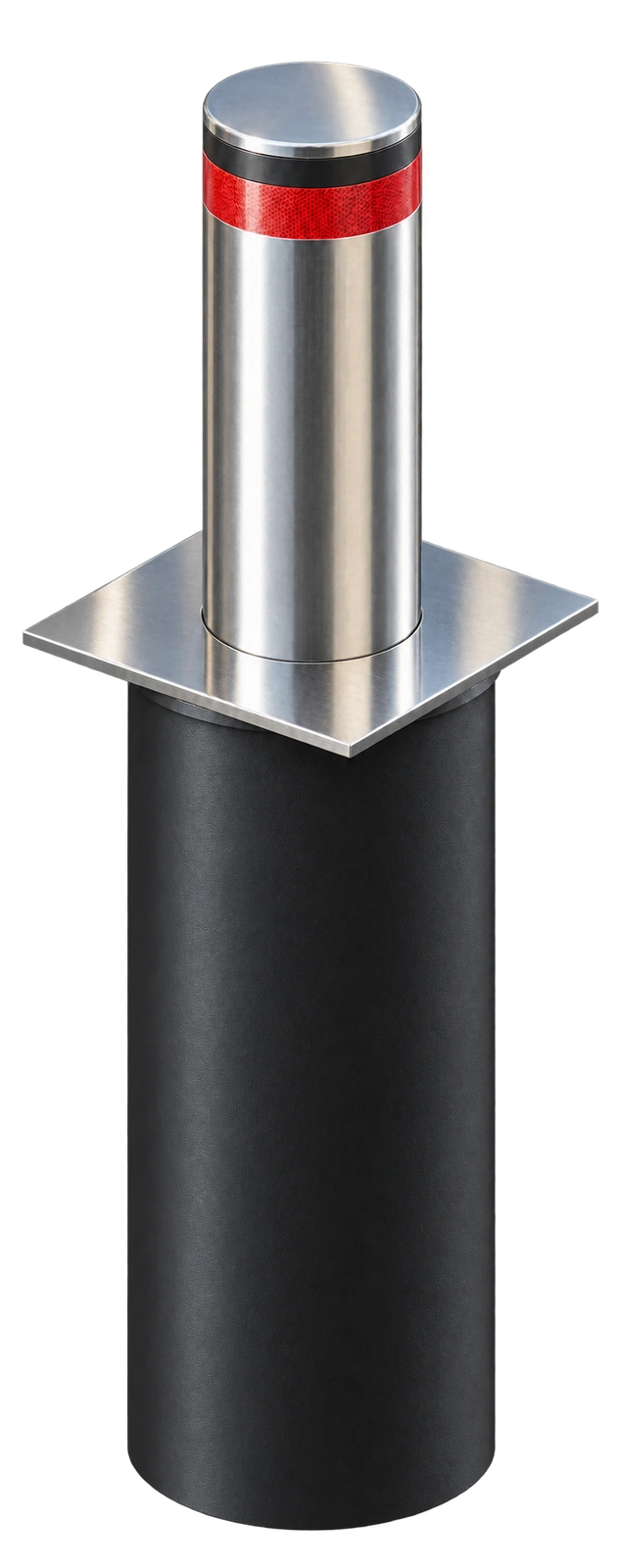
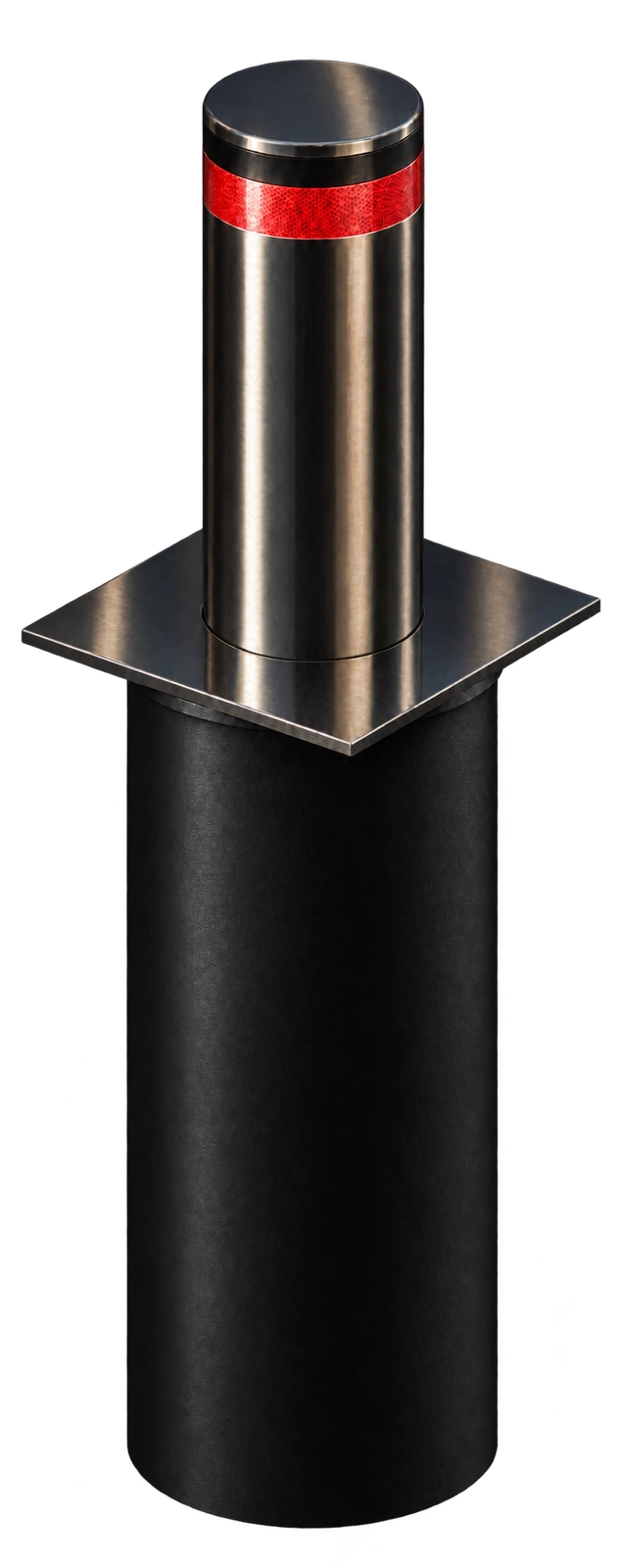
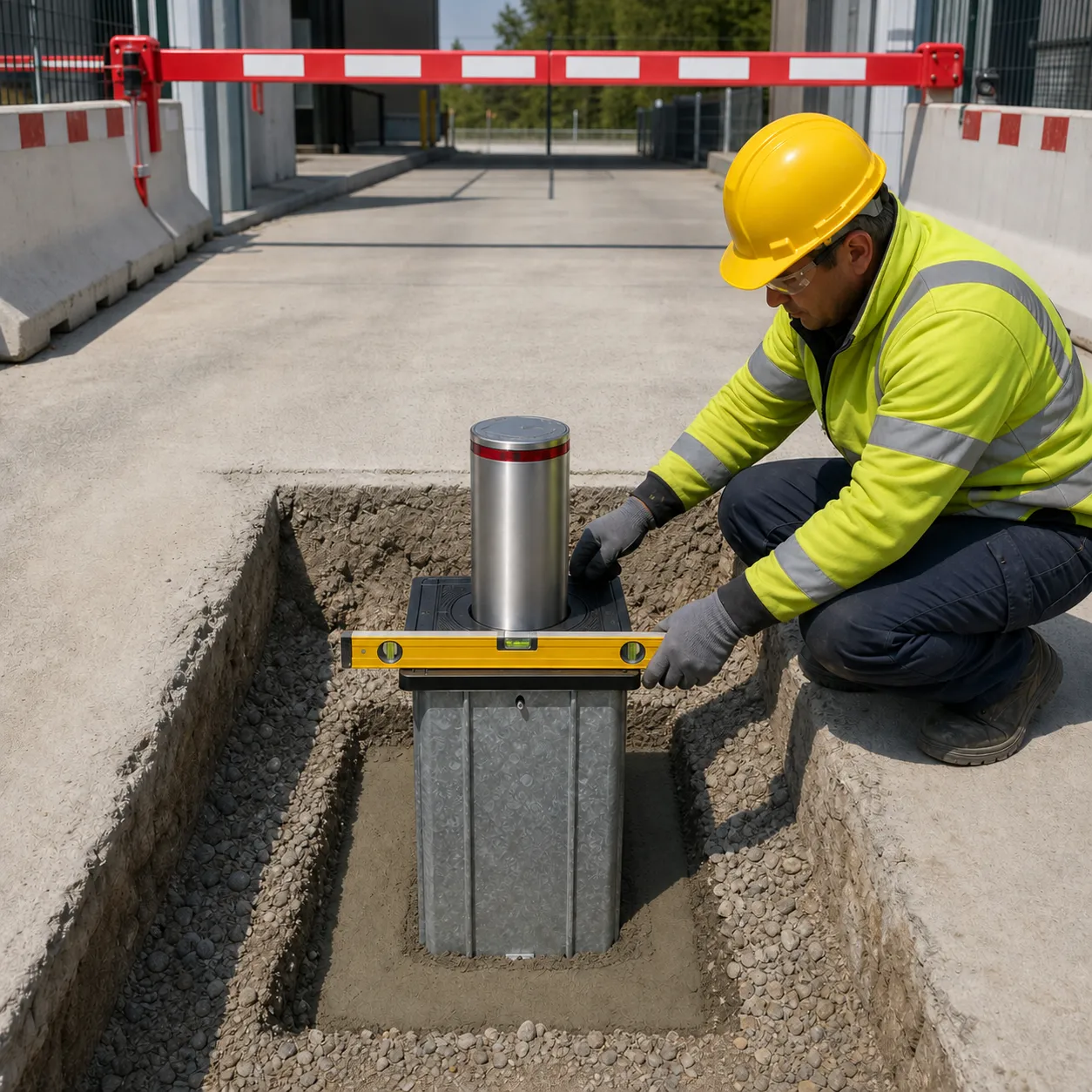
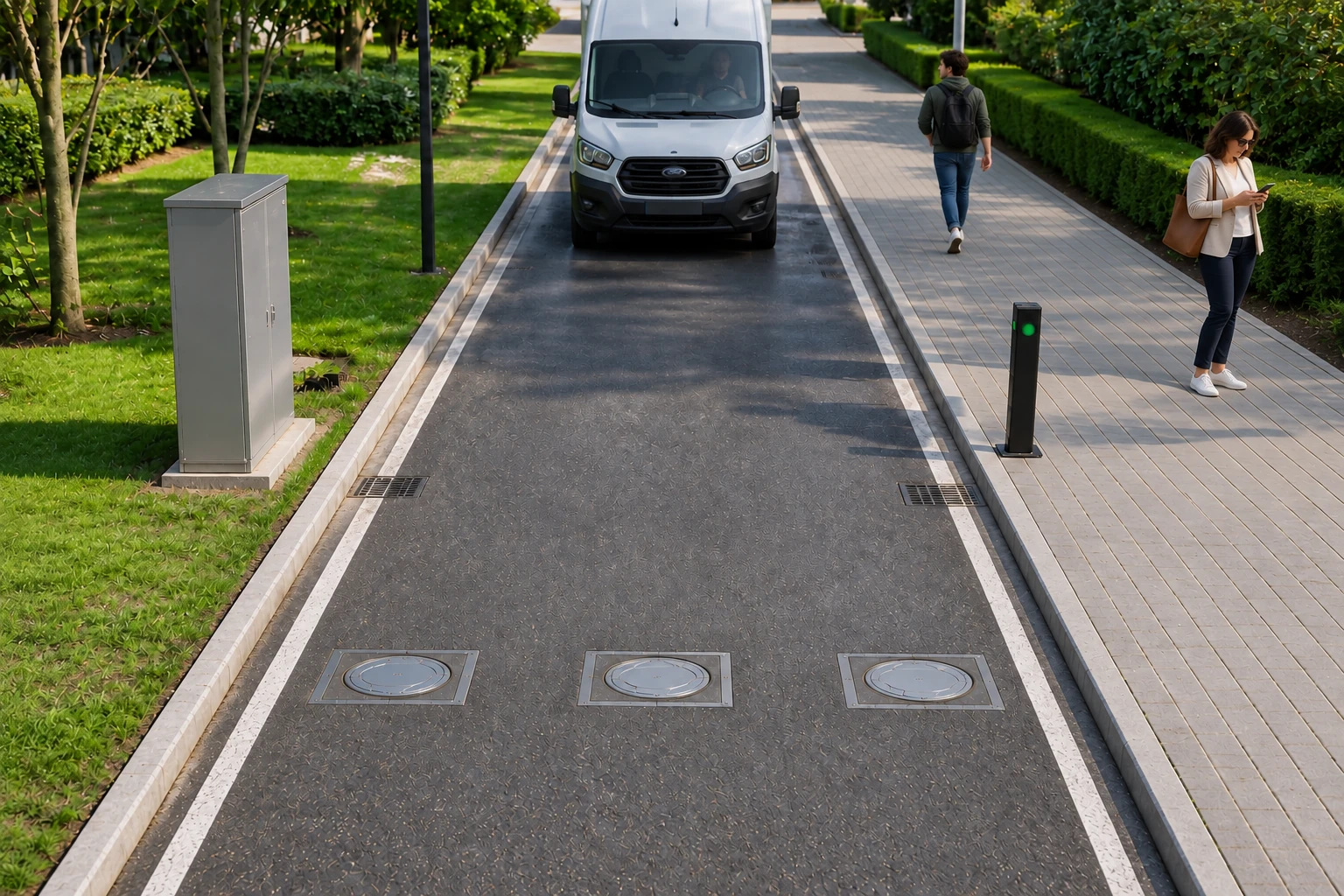
Digital application scenes illustrate how the product may be used; they are not records of completed customer projects.
Consider it for managing vehicle access to pedestrian zones and controlled entrances. Confirm movement, power/controls and installation scope against the actual model and site design. This product is not crash-rated and is not quoted for vehicle-attack protection requiring a certified barrier.
| Above-ground body | 304 stainless steel. |
|---|---|
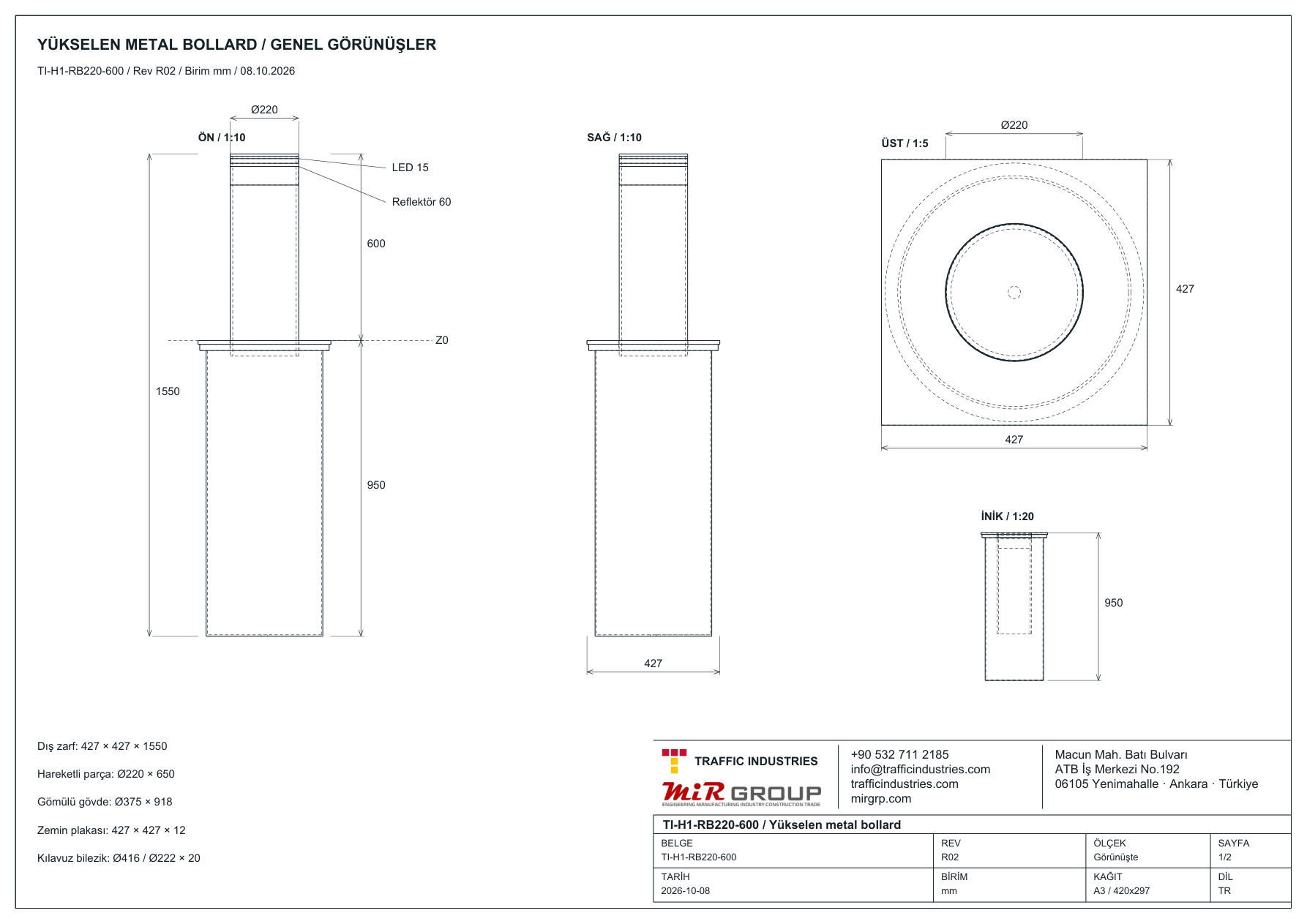
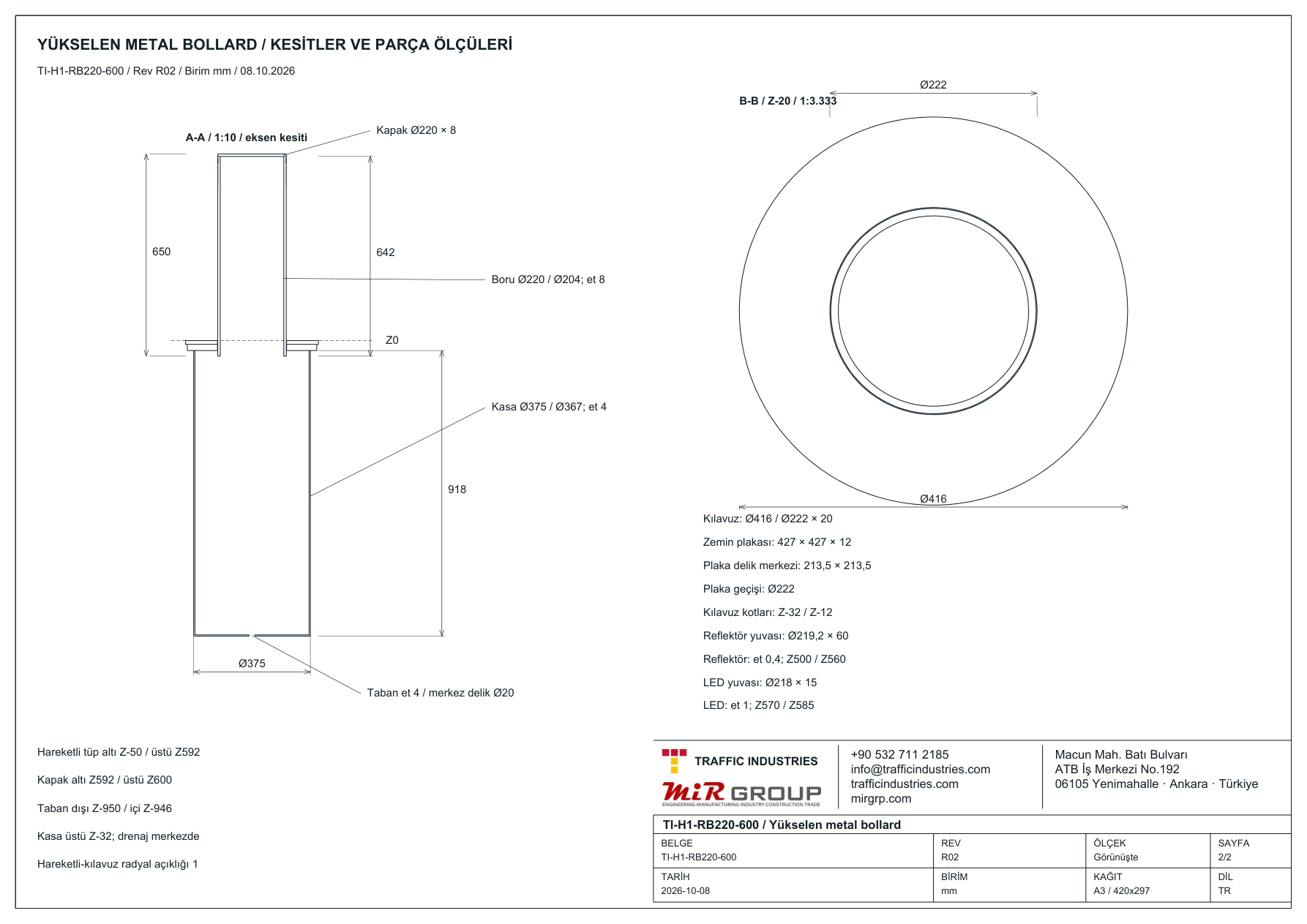
| Delivery scope | The rising bollard, below-ground housing, hydraulic unit and control cabinet are included in the complete system delivery. |
| Passage and use requirements | Vehicle types, passage frequency, operating hours and authorisation method; confirm actual system capacity against the model datasheet. |
| Housing and site information | Passage clearance, levels, utilities, ground and drainage; confirm diameter, rise height and foundations for the actual model. |
| Power and control requirements | Confirm the available power supply, control interface, safety functions and power-failure scenario for each project. |
| Installation scope and responsibility | State who will provide excavation, foundations, drainage, electrical/control connections and traffic management. |
|---|---|
| Commissioning and handover documents | Actual model instructions, wiring diagram, safety assessment and site test records; define the handover scope for the operator. |
| Parts and servicing | The quotation states the spare-parts scope, servicing and maintenance responsibilities, delivery destination/date and warranty terms. |
The files are free to download and require no registration.
The product is manufactured to the specification and standard your order rests on; the governing document is stated in writing in the quotation.
A rising bollard is an access-control product: it stops unauthorised vehicles, orders parking and protects pedestrian areas.
There is no IWA 14-1, PAS 68 or ASTM F2656 crash-test certificate, and we do not quote it for work that requires one.
If the specification asks for resistance to a deliberate vehicle attack (HVM), this product is not suitable.
No. Its scope is access control; it is not quoted for vehicle-attack protection requiring crash certification. Other manufacturers' test results or resistance values do not apply to this product.
Current sources do not verify this behaviour. Confirm the power-failure position and emergency intervention method in writing for the actual offered mechanism and control system.
Yes. The rising bollard, below-ground housing, hydraulic unit and control cabinet are included in the complete system delivery. Site installation and connections are defined for each project.
Provide the country, layout/utility drawing, vehicle passage needs and operating hours. State drainage, power, control and emergency-access requirements; clarify installation, testing and maintenance responsibilities.
Quantity, destination country and your specification if you have one. A technical answer comes back the same day; pricing is prepared by a person, never auto-generated.